

WHAT DOES LIX Roastery DO? FROM GREEN-COFFEE EVALUATION TO B2B PRODUCT DEVELOPMENT
Each stage has a different role, but all support the same objective: developing a product that meets an established quality direction, is controlled throughout production, and carries clear information that can support partners across the supply chain.
The process does not begin by applying one pre-existing roast profile to every coffee. LIX Roastery evaluates each green-coffee lot, develops profiles using the Extremely Light approach, and validates the result through operational data and sensory assessment. Once a product moves into commercial production, the profile continues to be monitored and adjusted when raw-material or operating conditions change.
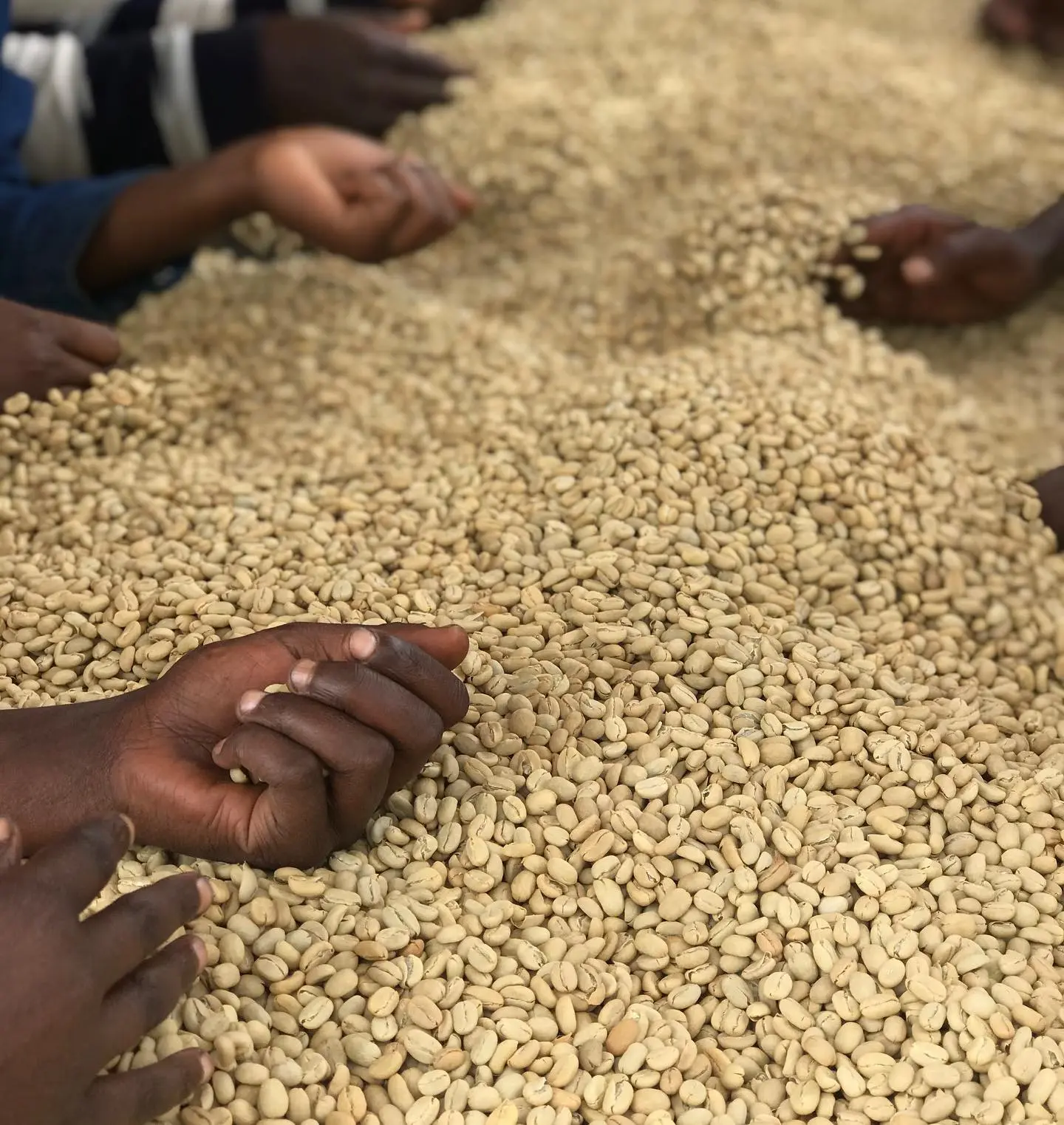
GREEN-COFFEE EVALUATION BEFORE ROASTING
Information about cultivar, origin, processing method, and crop season provides important context for a coffee lot. For product development, however, that information also needs to be considered alongside the actual condition of the raw material.
At LIX Roastery, green-coffee evaluation may include physical measurements such as Moisture Content, Density, Water Activity, Screen Size, and physical defect rate. The specific criteria used depend on the evaluation process and the requirements of the raw material being assessed.
These measurements help the team better understand the condition of the coffee before sample roasting. Two lots from the same origin or cultivar do not necessarily share the same physical properties or roast response. Crop season, processing, storage conditions, and lot-to-lot variation can all influence the way the coffee needs to be developed.
Evaluation should therefore not depend on a single indicator. Physical data is considered together with origin information and sensory results to create a foundation for the next stage of product development.
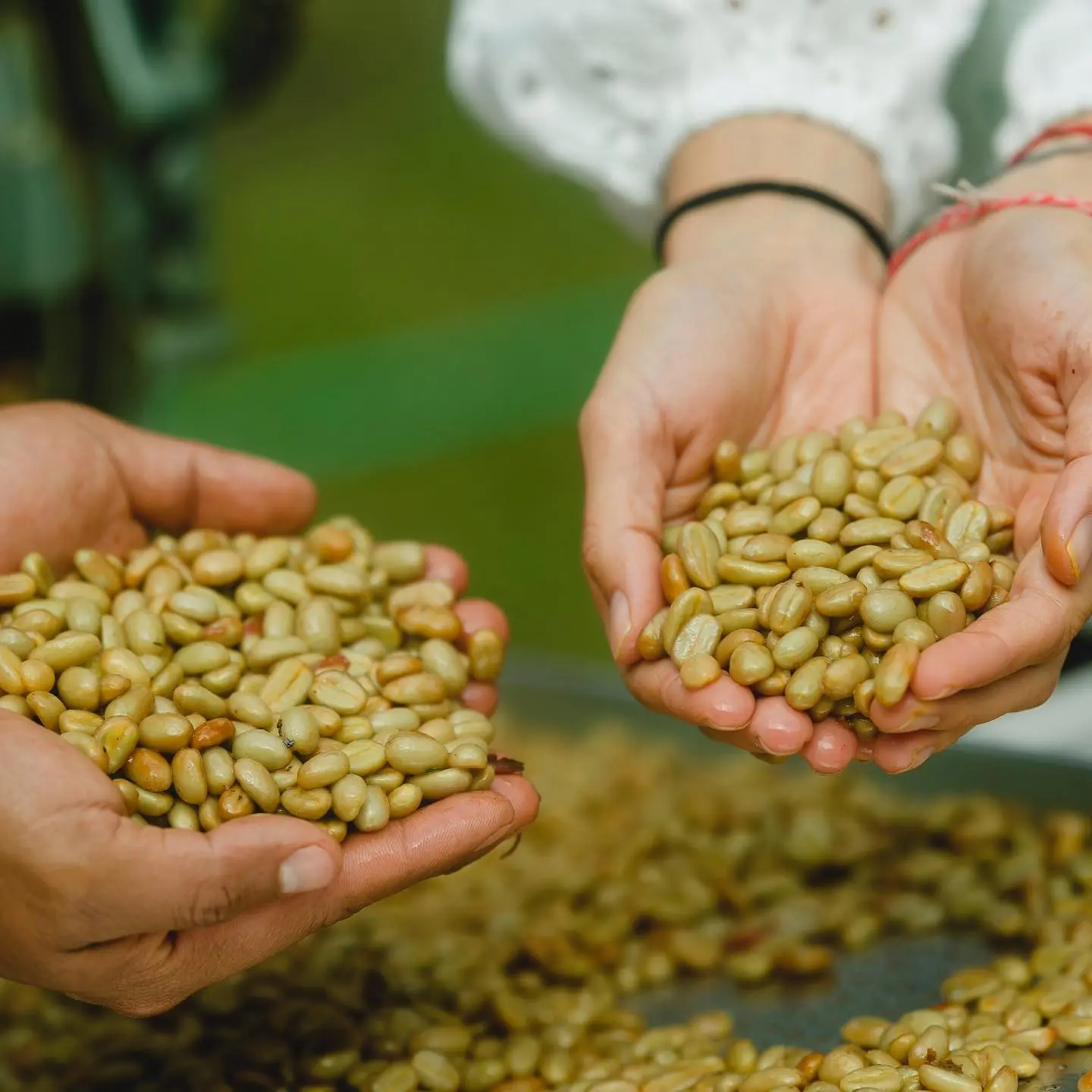
Know what is entering the system before deciding how to roast it

Moisture, density, defects, and sensory results add another layer to the material profile
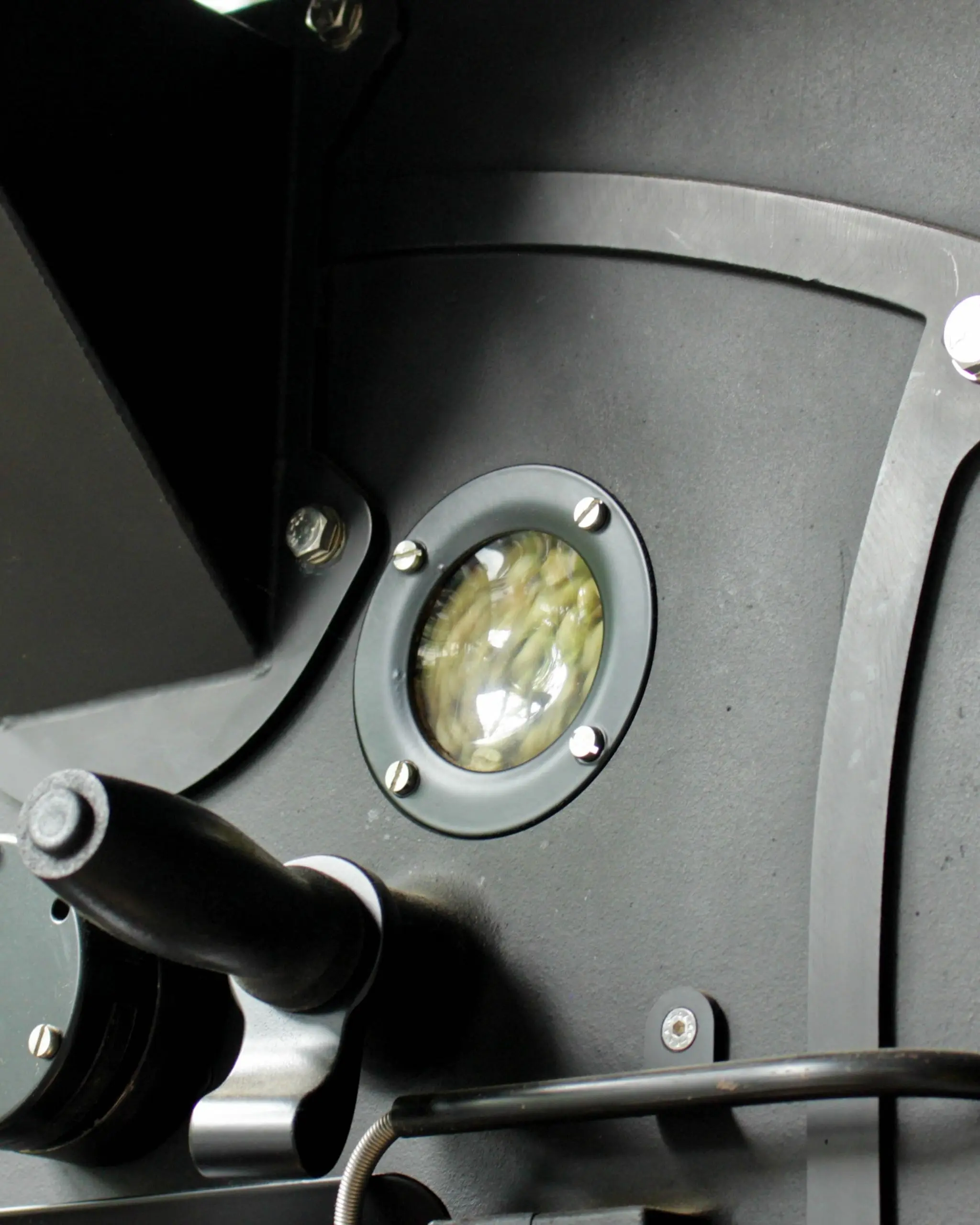
The evaluation becomes the basis for selecting initial roast conditions.
DEVELOPING ROAST PROFILES AROUND PRODUCT CHARACTERISTICS
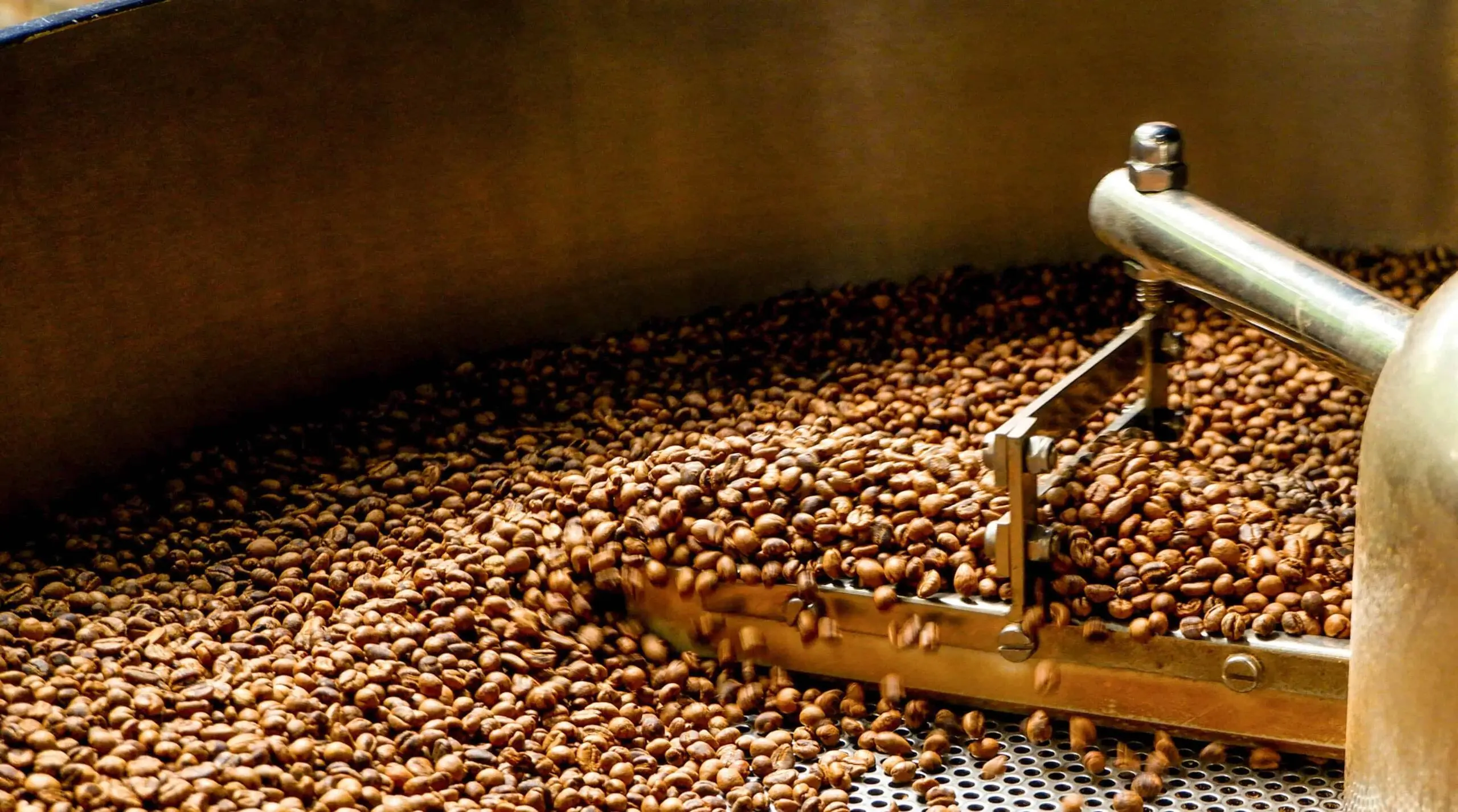
After the raw material has been evaluated, LIX Roastery carries out sample roasting to explore how the beans respond and to identify a development direction aligned with the intended sensory profile.
Extremely Light is the only roasting approach used across LIX Roastery’s commercial product portfolio. It guides how we control heat transfer and evaluate roast results, with the aim of making the sensory characteristics of the raw material clearer rather than allowing roast character to dominate them.
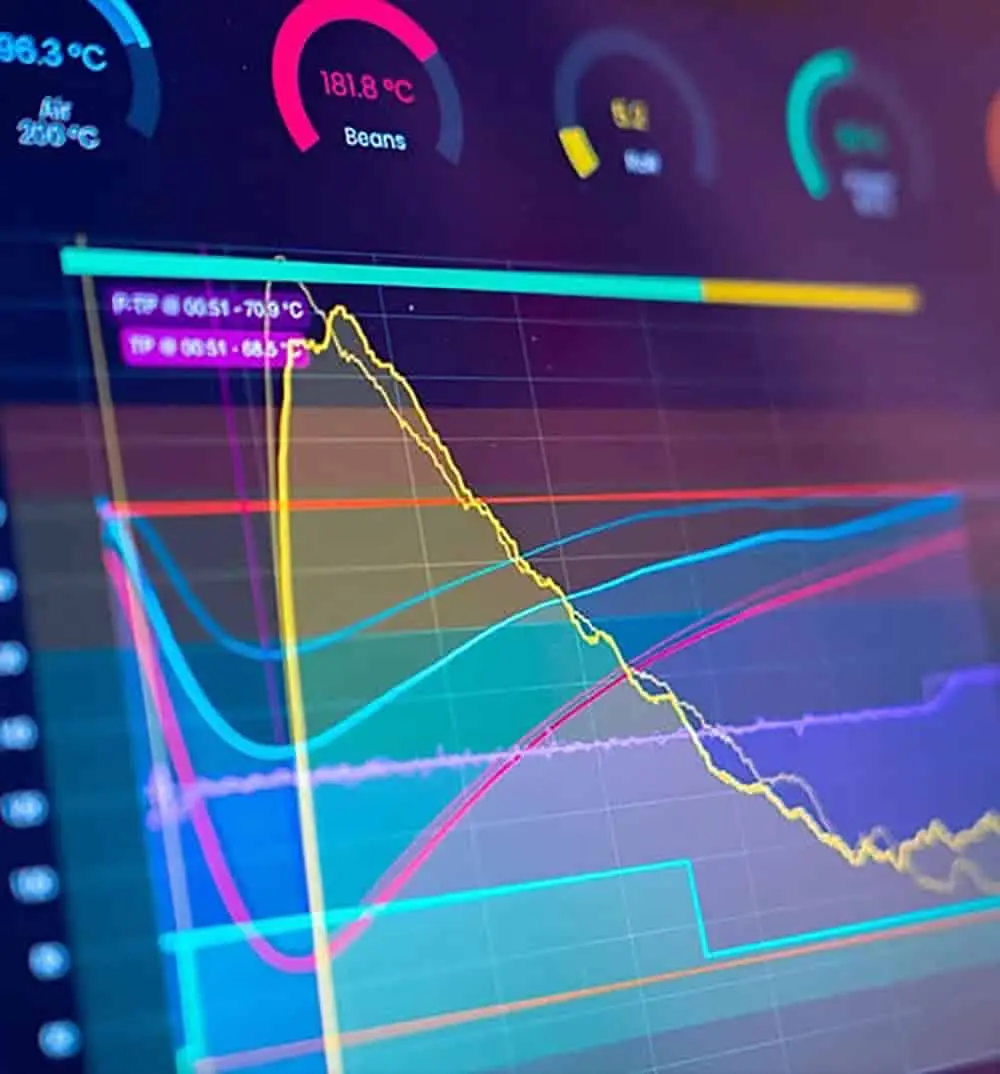
During sample roasting, operating parameters such as Rate of Rise (RoR), First Crack timing, and Development Time are monitored in relation to the progression of the batch. Roaster data tells us how the process unfolded, but finished-product quality still needs to be validated through cupping and other appropriate evaluation methods.
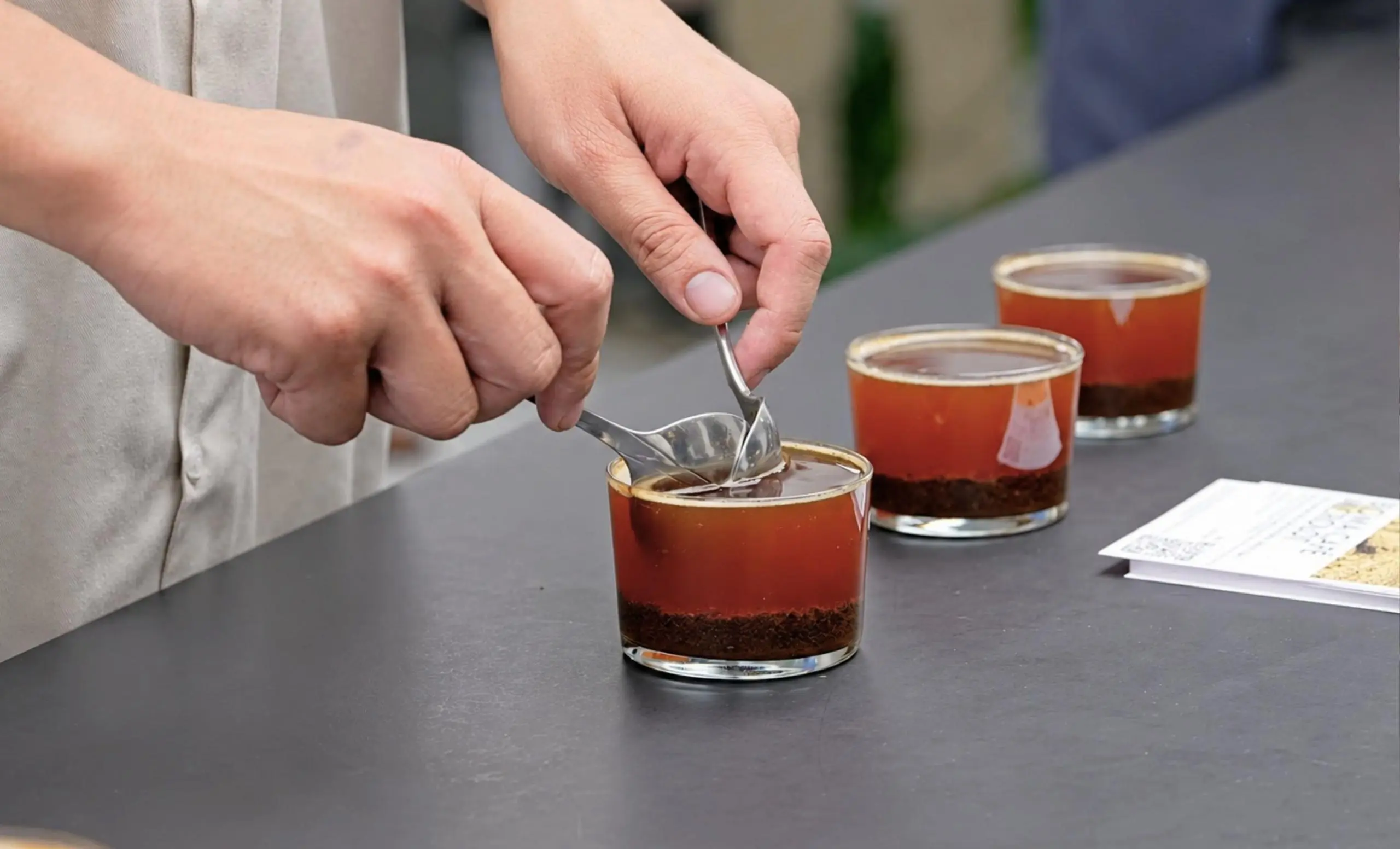
Cupping results are compared with roast data to identify areas for adjustment. Roasting, evaluation, and refinement are repeated until the profile meets the criteria established for the product.
A Reference Profile is then created from this process. It provides a basis for production and consistency monitoring, rather than functioning as a fixed temperature curve that can be applied unchanged to every raw material or machine.
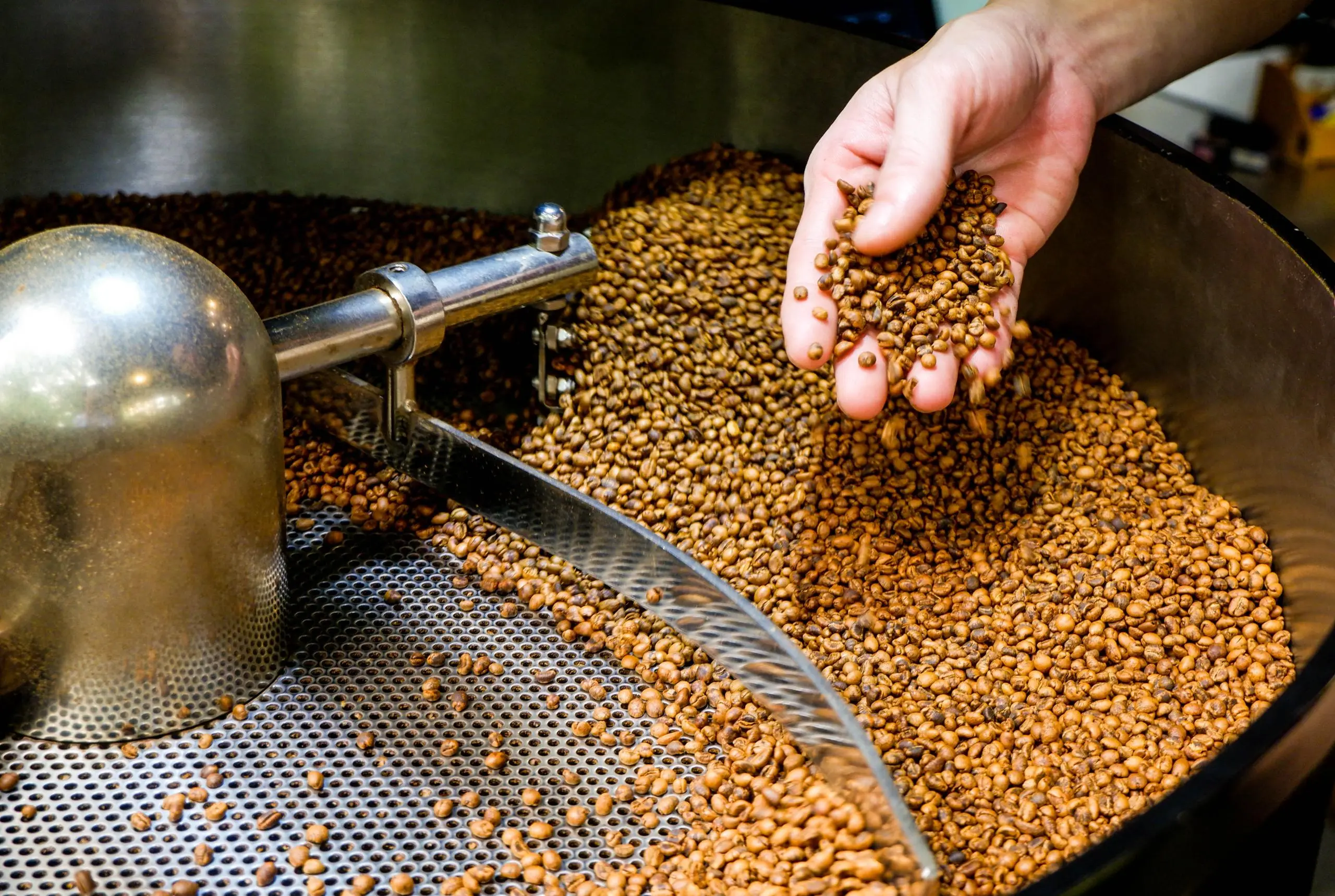
ROAST
Trial roasting shows how the material responds to the selected profile
EVALUATE
Process data is read alongside the coffee’s sensory expression.
ADJUST
Variables are changed in a controlled way to understand their effect.
FROM SAMPLE ROASTING TO COMMERCIAL PRODUCTION
A strong result at sample scale does not automatically guarantee an equivalent result at a larger production volume. Changes in batch size or equipment can alter heat-transfer conditions and bean response. The roast profile therefore needs to be reassessed and adjusted under actual production conditions.
At LIX Roastery, scaling is treated as a product-development stage, not simply as an increase in batch size according to a fixed formula.
Operating parameters are assessed in relation to one another, while roast results are evaluated through both process data and sensory quality. Any identified deviations provide a basis for considering profile adjustments.
Production consistency does not mean that every batch must produce an identical result under every condition. What needs to be maintained is finished-product quality within the established limits, together with the ability to identify and address deviations that materially affect the product.
The raw material itself can also change over time in storage or between supply lots. For that reason, roast profiles need to be monitored throughout the life of a product and adjusted when there is a sound technical basis to do so, rather than being held mechanically unchanged.
POST-ROAST QUALITY CONTROL
After roasting, the product continues through quality checks before packaging. The specific controls used depend on the equipment, operating procedures, and quality criteria applied at the facility.
- PHYSICAL CONTROL
Equipment such as a Destoner and Magnetic Separator, where included in the line, can help remove stones and metallic foreign material within the scope of the equipment. These controls are part of a broader food-safety process and should not be regarded as a stand-alone guarantee that every type of foreign material will be removed.
- ROASTED BEAN COLOR CONTROL
Roasted-bean color can be measured with a dedicated color meter and compared with an established reference range. This data supports color-consistency monitoring, but it does not replace sensory evaluation or independently determine coffee quality.
- SENSORY CONTROL
Cupping is used to assess the sensory characteristics of the finished product and determine how well it aligns with the product target. Results are recorded according to the applicable process and linked to the corresponding roast batch to support comparison and deviation management where needed.
Together, these layers of control give LIX Roastery a basis for evaluating the product before packaging and for maintaining the connection between operating data and the quality result of each roast batch.
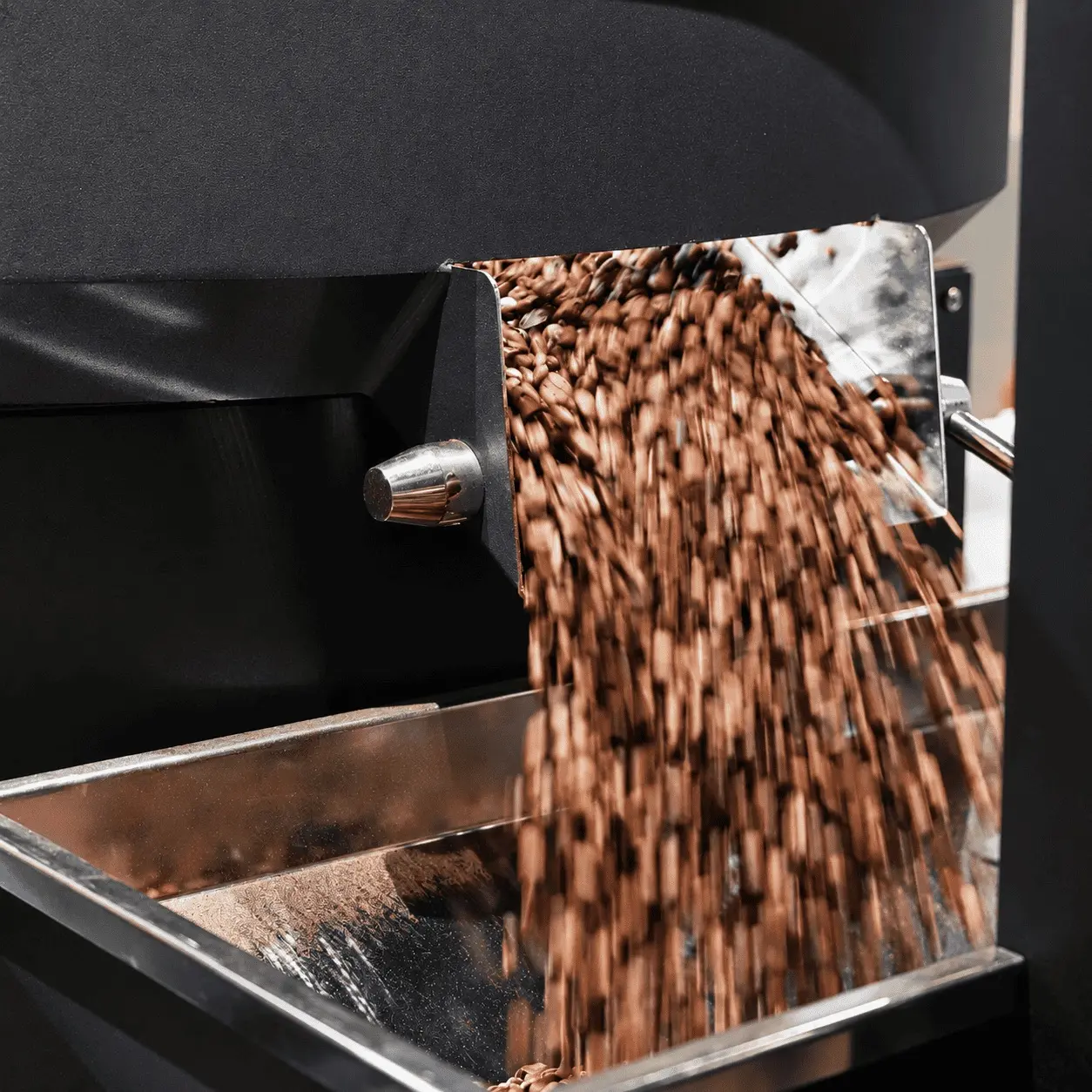
Use specialized machinery to remove foreign objects

Continuously evaluate and refine the sensory profile
L
A DATA SYSTEM FROM RAW MATERIAL TO FINISHED PRODUCT
In B2B operations, product quality needs to be supported by information management. Partners need to understand not only how a product was created, but also what data can be provided to identify and reconcile individual lots.
LIX Roastery’s data-management process is structured around the relationship between operating stages.
Green Coffee Lot
Identifies the green-coffee lot and the available origin, physical, and sensory information recorded for it
Roast Batch ID
Connects the product to a specific roast batch, together with the corresponding operating parameters and quality-control results
Packaging Lot
Identifies the packaging lot and links it with relevant records where the necessary data has been captured
Export Dossier
Compiles the information and documents required according to the product, shipment, and destination-market requirements
When data is recorded and linked throughout the process, the relationship between green coffee, roast batch, and finished product becomes easier to verify. The practical level of traceability depends on the scope of data collected, how records are linked, and how consistently information is maintained across stages.
This also creates a stronger foundation for B2B communication around raw-material characteristics, product specifications, and the documentation required during supply.

B2B COFFEE PRODUCT DEVELOPMENT AT LIX ROASTERY
LIX Roastery’s work lies in connecting the stages of green-coffee evaluation, roast-profile development, production scaling, quality control, and lot-level information management.
Each stage has its own function, but none operates in isolation. Raw-material data supports product development; roast results and cupping inform profile refinement; quality control and data management help maintain the connection between the raw material and the commercial finished product.
With an international B2B focus, LIX Roastery is building an intentional working process in which quality is assessed through relevant criteria and product information is maintained within the scope of the data actually available.
JOURNAL
View allFrom October 8–10, 2026, LIX Roastery will be at Cafe Show Hanoi 2026, Hall 2 – Vietnam Exposition Center (VEC), Dong Anh, Hanoi.The event is an opportunity to introduce how LIX develops coffee for international B2B markets and, more importantly,…
In international coffee trade, raw-material quality is the starting point, but it is not enough on its own to create a market-ready commercial product. Between the producing region and the buyer are a series of connected stages: raw-material evaluation, product…
Extremely Light is the roasting philosophy applied across all commercial coffees at LIX Roastery. It shapes how the Roastery reads green coffee, manages energy, and evaluates the result of a roast. The principle is straightforward: roasting should make the character…
When a roasted-coffee lot leaves the production system, processing is complete, but the preservation challenge is just beginning. The coffee is immediately exposed to variables involving gas release, oxygen, moisture, and temperature changes throughout storage and logistics. At LIX Roastery,…
When a green coffee lot enters the LIX Roastery system, development begins with understanding the material before defining the roast. Rather than starting with a preset profile and applying it to the coffee, LIX begins by reading the lot itself…
LIX Roastery is a roasting facility and coffee development platform serving the international B2B market. We work across the coffee development process, from green-coffee evaluation and roast-profile development to quality control, packaging, and product-data management. Our aim is to create commercially…