

ROASTED-COFFEE PACKAGING – QUALITY-PRESERVATION AND COMMERCIAL OPTIMIZATION AT LIX ROASTERY
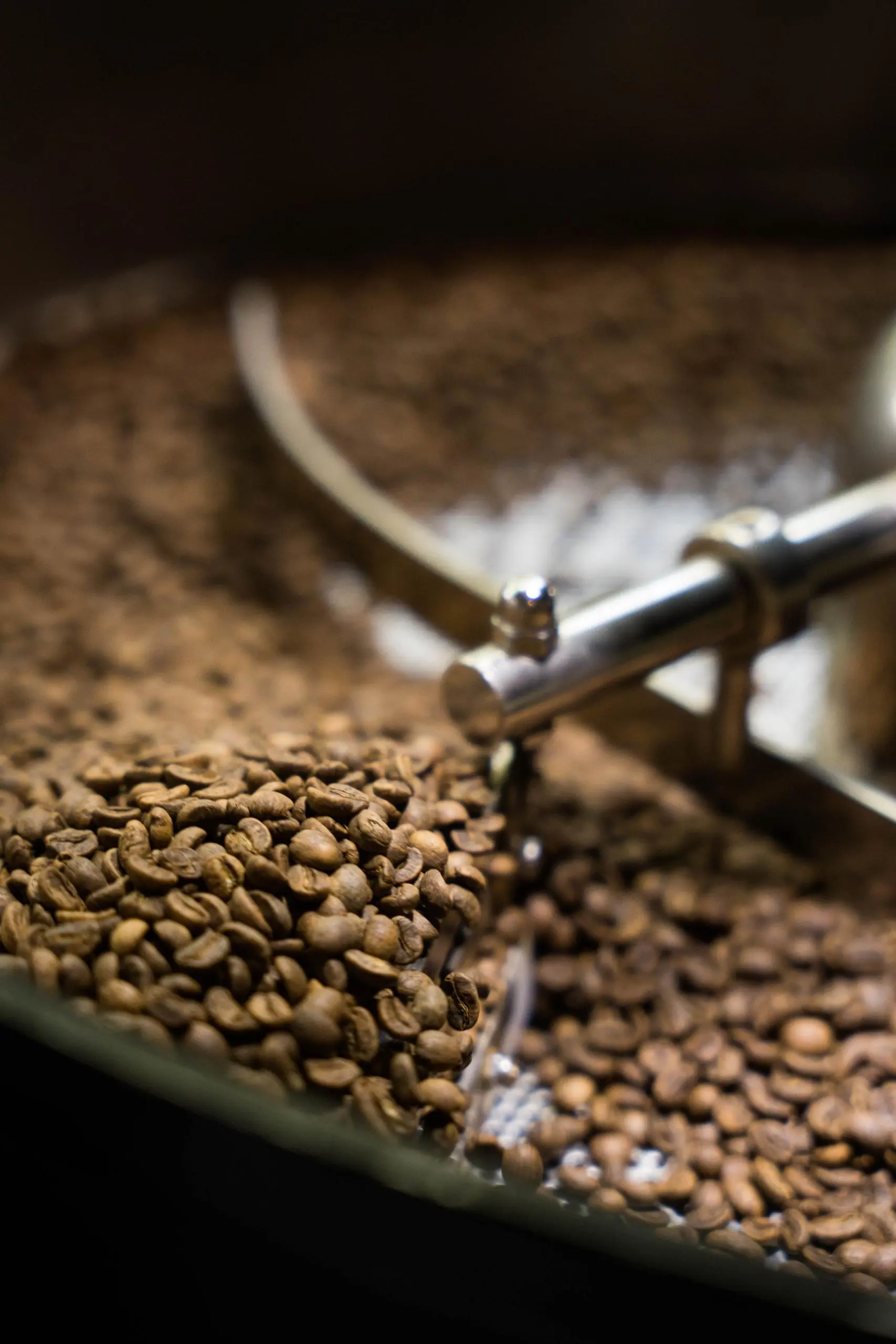
Preserving the coffee’s intended quality
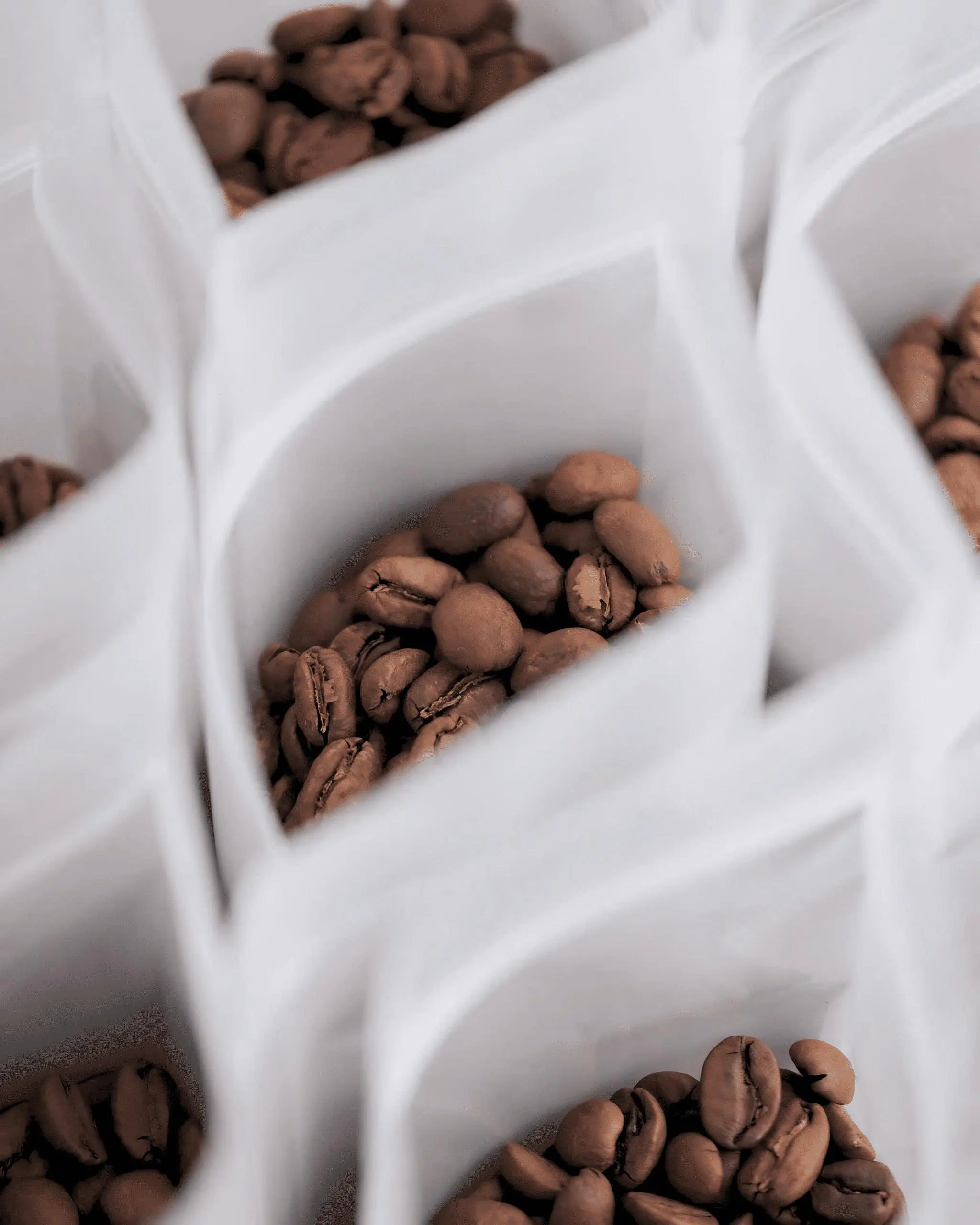
Improving the material’s life-cycle performance
CONTROLLING POST-ROAST VARIABLES: DEGASSING AND OXIDATION
The physical changes that take place during roasting cause coffee beans to retain a substantial amount of carbon dioxide. This gas continues to be released after the coffee leaves the roaster, a process known as degassing. At the same time, exposure to the environment introduces oxygen and moisture, which can accelerate oxidation and gradually reduce aromatic and sensory quality.
A B2B packaging system therefore needs to address two requirements at once: allow gas released by the coffee to escape in a controlled way while limiting oxygen ingress from the external environment. This is why LIX Roastery combines several packaging solutions rather than treating any single component as sufficient on its own.
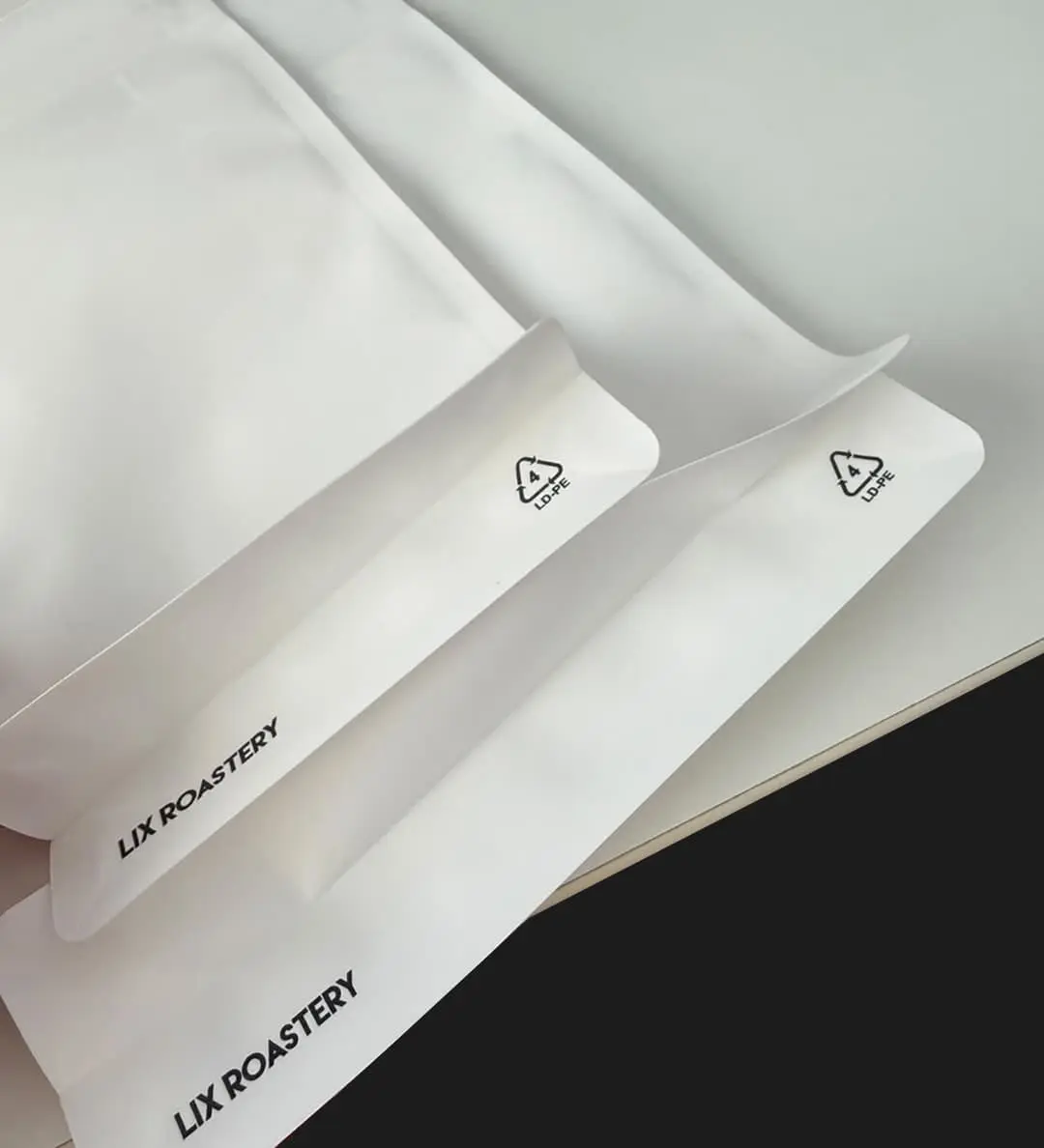
MÔN-MATERIAL STRUCTURE
reduces material complexity while maintaining the protection required for the product
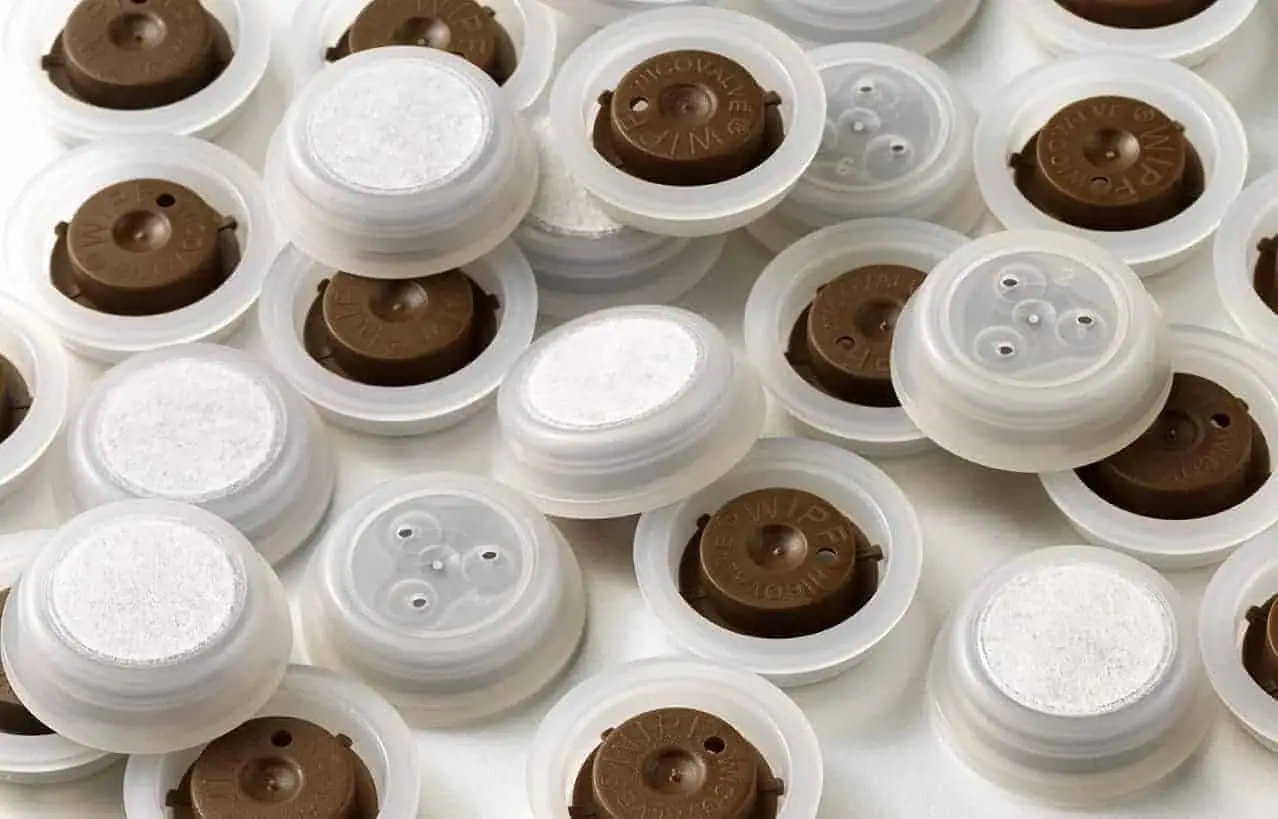
WIPF VALSE
allows gases released during degassing to escape while limiting the reverse flow of outside air into the bag
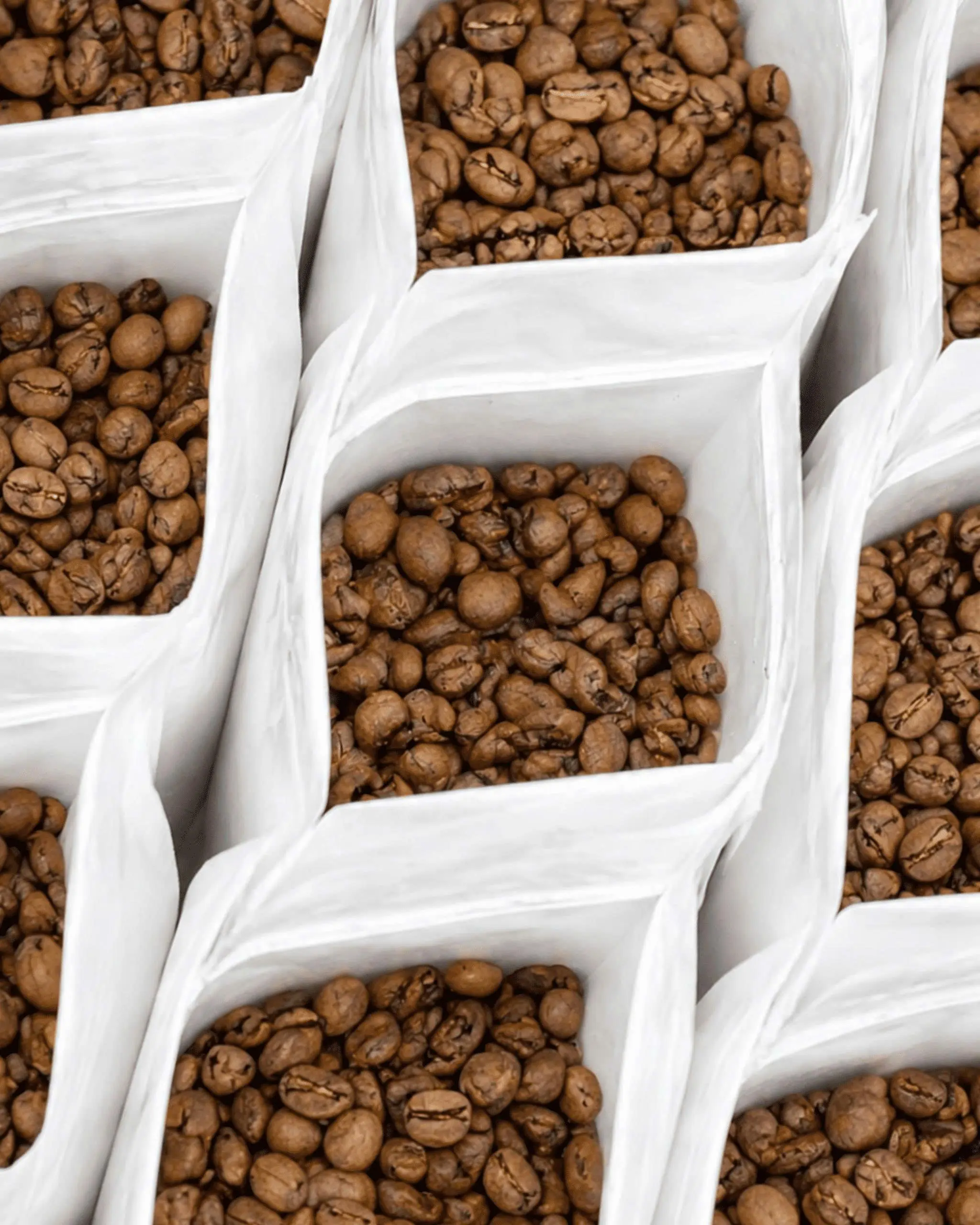
NITROGEN FLUSHING
reduces residual oxygen at the point of packing, helping slow oxidation during storage
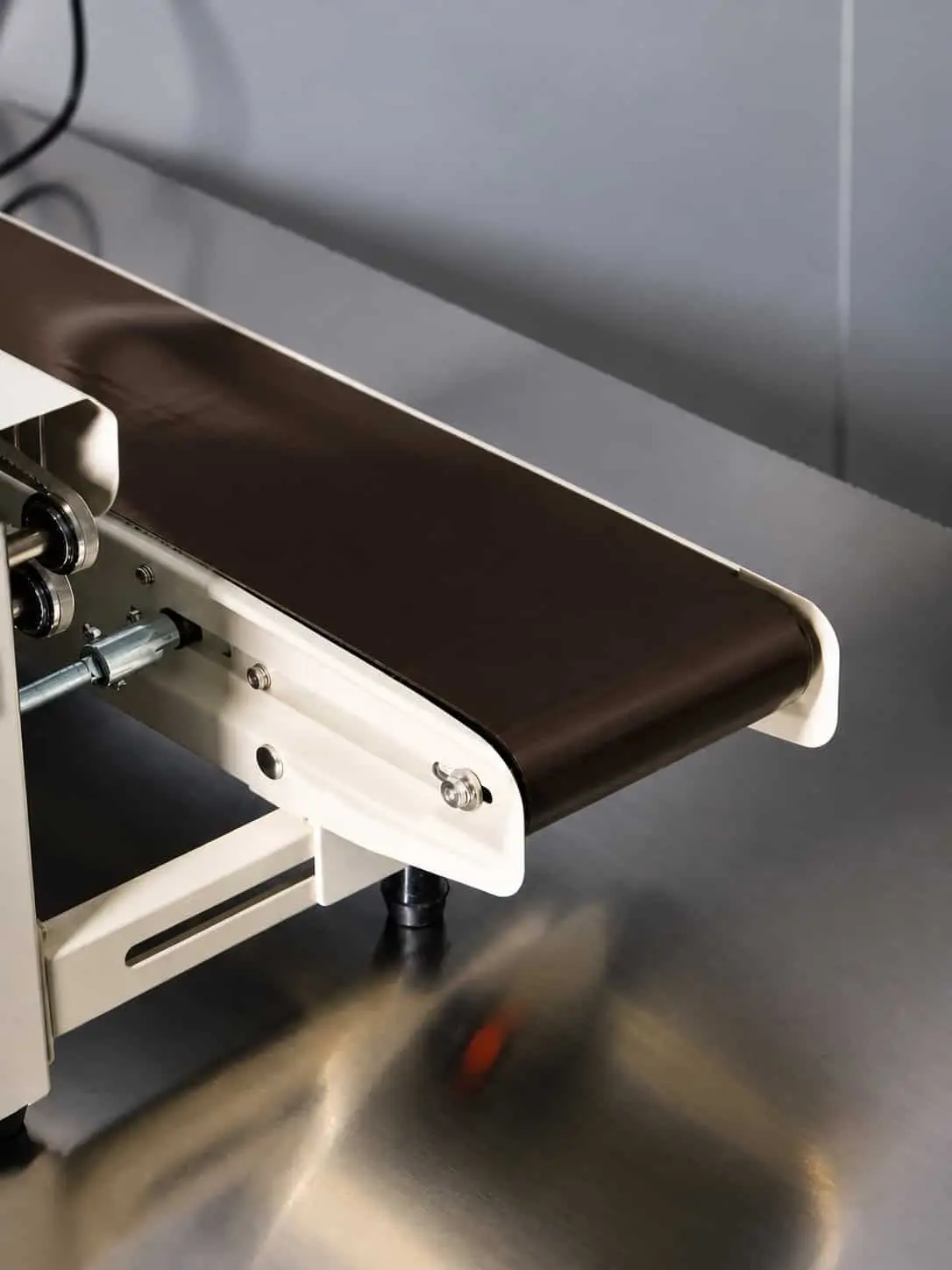
The closure system
helps maintain a more controlled storage environment after packing and during use
MONO-MATERIAL: SUSTAINABILITY DIRECTION AND EXPORT-MARKET CONSIDERATIONS
One of LIX Roastery’s strategic packaging decisions is the use of a polyethylene-based mono-material structure rather than complex multi-layer laminates that are difficult to separate for recycling.
For LIX Roastery, material selection needs to balance product-protection performance with design choices that are more compatible with recycling systems. A simpler material structure can be a constructive step, although real environmental performance depends on more than the material name alone.
Packaging regulations in international markets increasingly emphasise recyclability and the full material life cycle. In the European Union, the Packaging and Packaging Waste Regulation (PPWR) follows a phased implementation timetable beginning in 2026, with broader recyclability requirements applying from 2030 alongside the corresponding technical criteria set out under the regulatory framework.
LIX Roastery therefore approaches packaging as a combination of preservation requirements and responsible material design, while also considering the requirements relevant to the intended export market.

PACKAGING LOT: CONNECTING DATA WITHIN THE TRACEABILITY SYSTEM
At LIX Roastery, packaging is a data-driven operating process rather than an isolated final step.
The Packaging Lot is linked to the Green Coffee Lot and the Roast Batch. When these identifiers are recorded and connected correctly in the system, they provide a basis for tracking product information through subsequent stages, including packaging and shipment preparation.
This chain of information gives LIX Roastery and its partners a basis for reconciling lot-level data, supporting quality control, and identifying product provenance when required.
Traceability is not only the ability to determine where a coffee comes from. It is also the ability to preserve the relationship between the raw material, the product-development process, and the commercial finished product through data recorded across the operation.
When information is maintained at each stage, both the coffee’s origin and the work that created the product can be represented more clearly in the destination market.
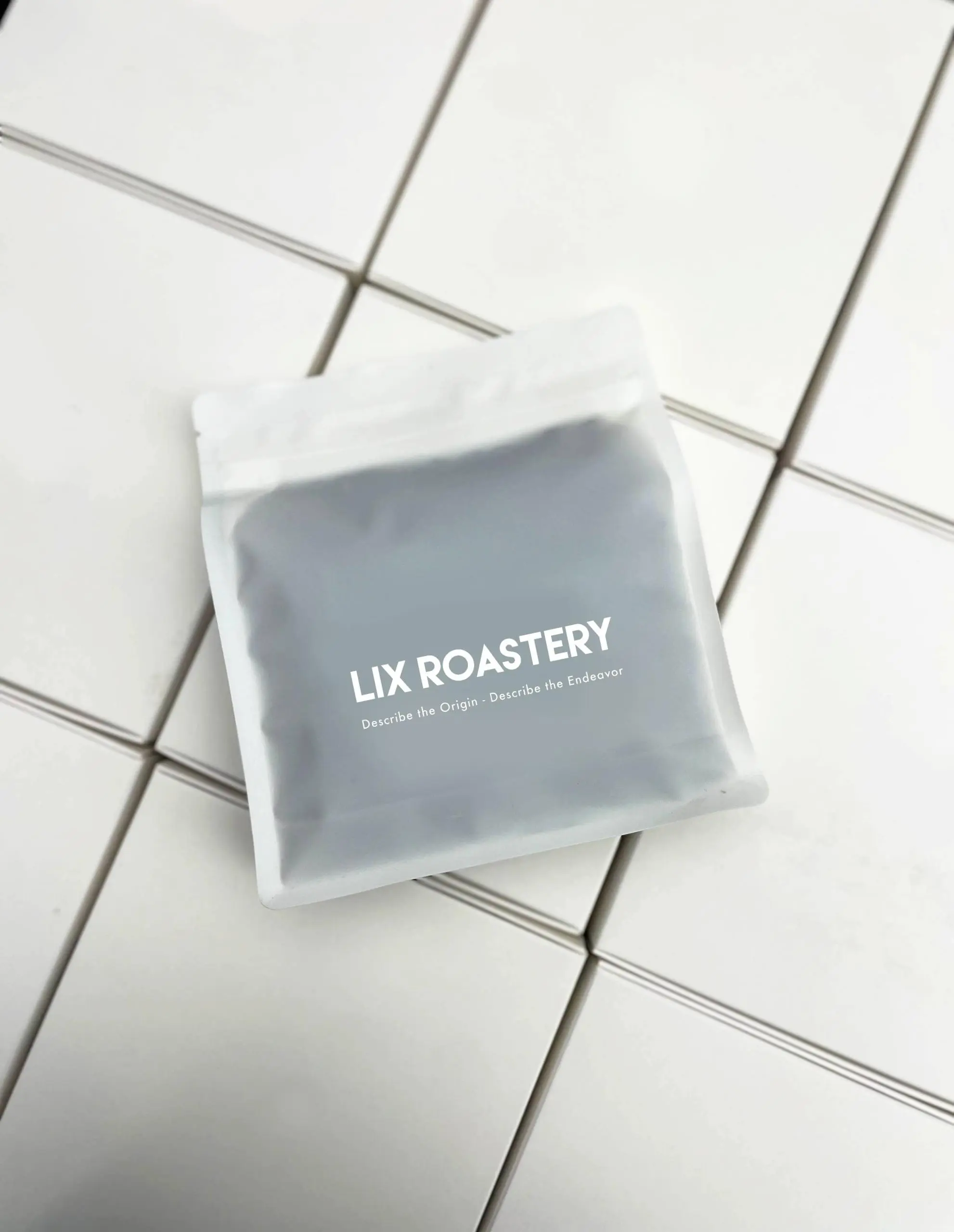
Packaging is a key element in protection, quality control, and the documentation of supply chain activities
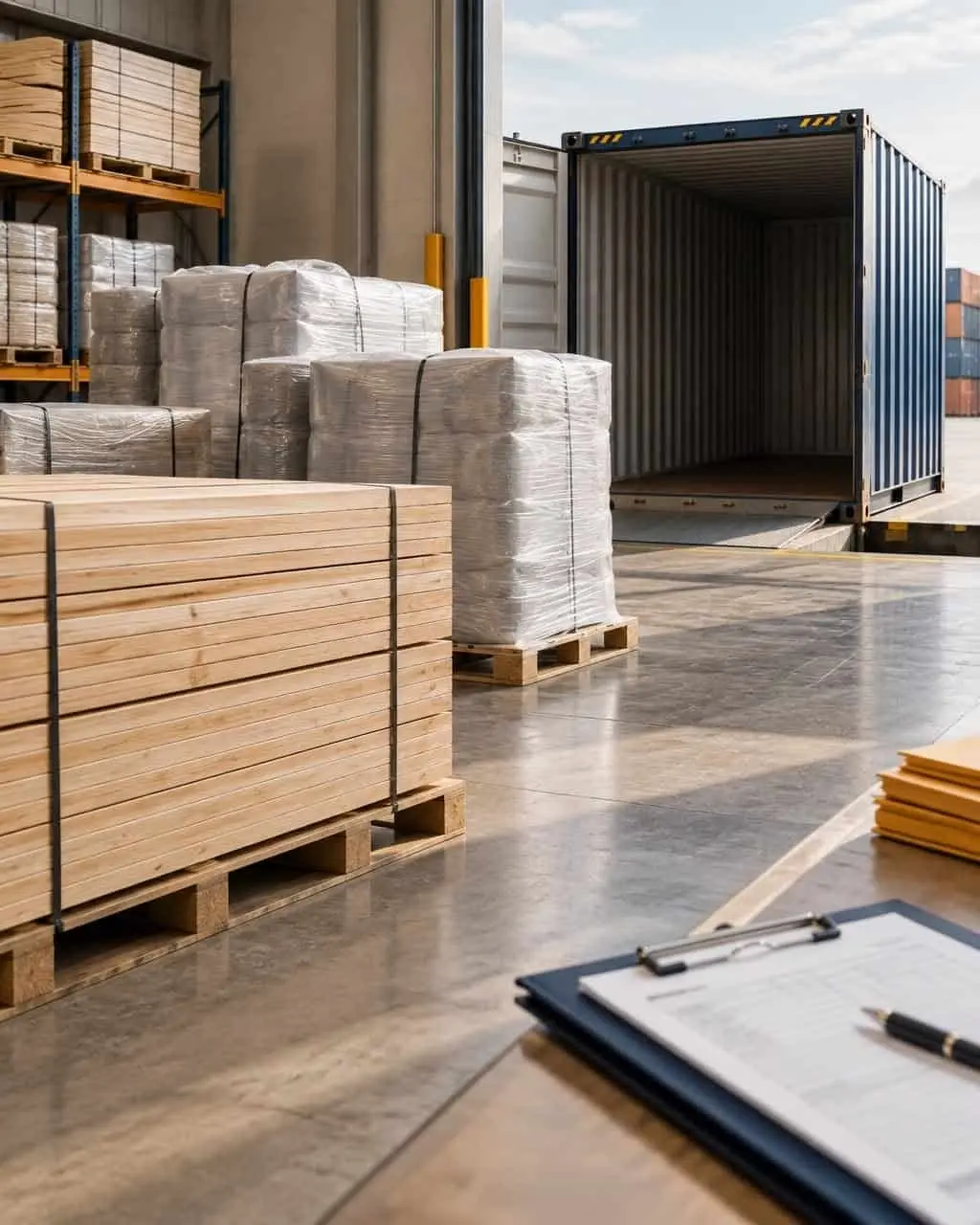
Data regarding production batches, storage processes, transportation, and international trade are made transparent and publicly accessible.
PACKAGING AS PART OF THE QUALITY-PRESERVATION SYSTEM
Packaging cannot guarantee coffee quality under every possible condition on its own. Effective preservation results from several coordinated factors: material selection, gas control during packaging, package integrity, storage and transport conditions, and the ability to maintain lot-level data.
At LIX Roastery, our packaging approach begins with the needs of the product and extends to what must be protected, controlled, and recorded as the coffee enters the supply chain.
This is also one way we put Describe the Endeavor into practice: not only communicating where the coffee comes from, but also preserving information about the work, decisions, and processes that contribute to the final product.
From material structure to gas control and lot-level data, each element has a specific role in the coffee’s journey from the production system to the market.
JOURNAL
View allFrom October 8–10, 2026, LIX Roastery will be at Cafe Show Hanoi 2026, Hall 2 – Vietnam Exposition Center (VEC), Dong Anh, Hanoi.The event is an opportunity to introduce how LIX develops coffee for international B2B markets and, more importantly,…
In international coffee trade, raw-material quality is the starting point, but it is not enough on its own to create a market-ready commercial product. Between the producing region and the buyer are a series of connected stages: raw-material evaluation, product…
Extremely Light is the roasting philosophy applied across all commercial coffees at LIX Roastery. It shapes how the Roastery reads green coffee, manages energy, and evaluates the result of a roast. The principle is straightforward: roasting should make the character…
When a roasted-coffee lot leaves the production system, processing is complete, but the preservation challenge is just beginning. The coffee is immediately exposed to variables involving gas release, oxygen, moisture, and temperature changes throughout storage and logistics. At LIX Roastery,…