

WHO IS LIX ROASTERY? INTEGRATED CAPABILITIES AND AN INTERNATIONAL B2B COFFEE DEVELOPMENT SYSTEM
LIX Roastery builds on experience accumulated within the XLIII Coffee ecosystem, particularly in coffee evaluation, origin research, sourcing-partner selection, and product development. From that foundation, LIX Roastery has developed its own direction, focused on the needs of importers, distributors, roasters, and coffee businesses in international markets.
For us, the work does not end when a batch leaves the roaster. A B2B coffee product needs to be developed from suitable raw material, an intentional roast profile, a consistent quality-control process, and an information system clear enough to support the product throughout the supply chain.
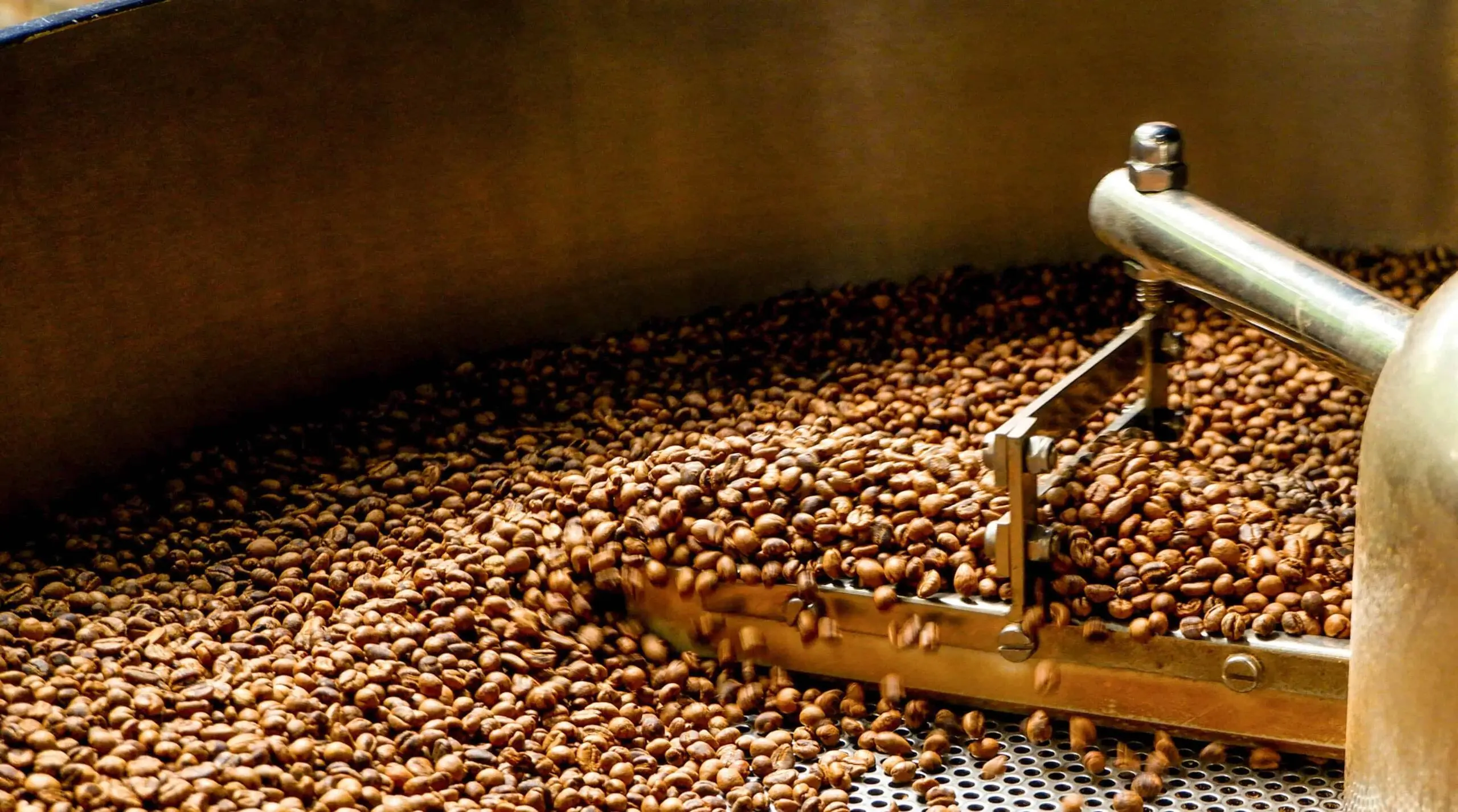
DUAL SOURCING STRATEGY: LOCAL ADVANTAGE AND A BROADER ORIGIN NETWORK
LIX Roastery’s sourcing strategy is built around a balance between two pillars.
LOCAL ADVANTAGE IN VIET NAM
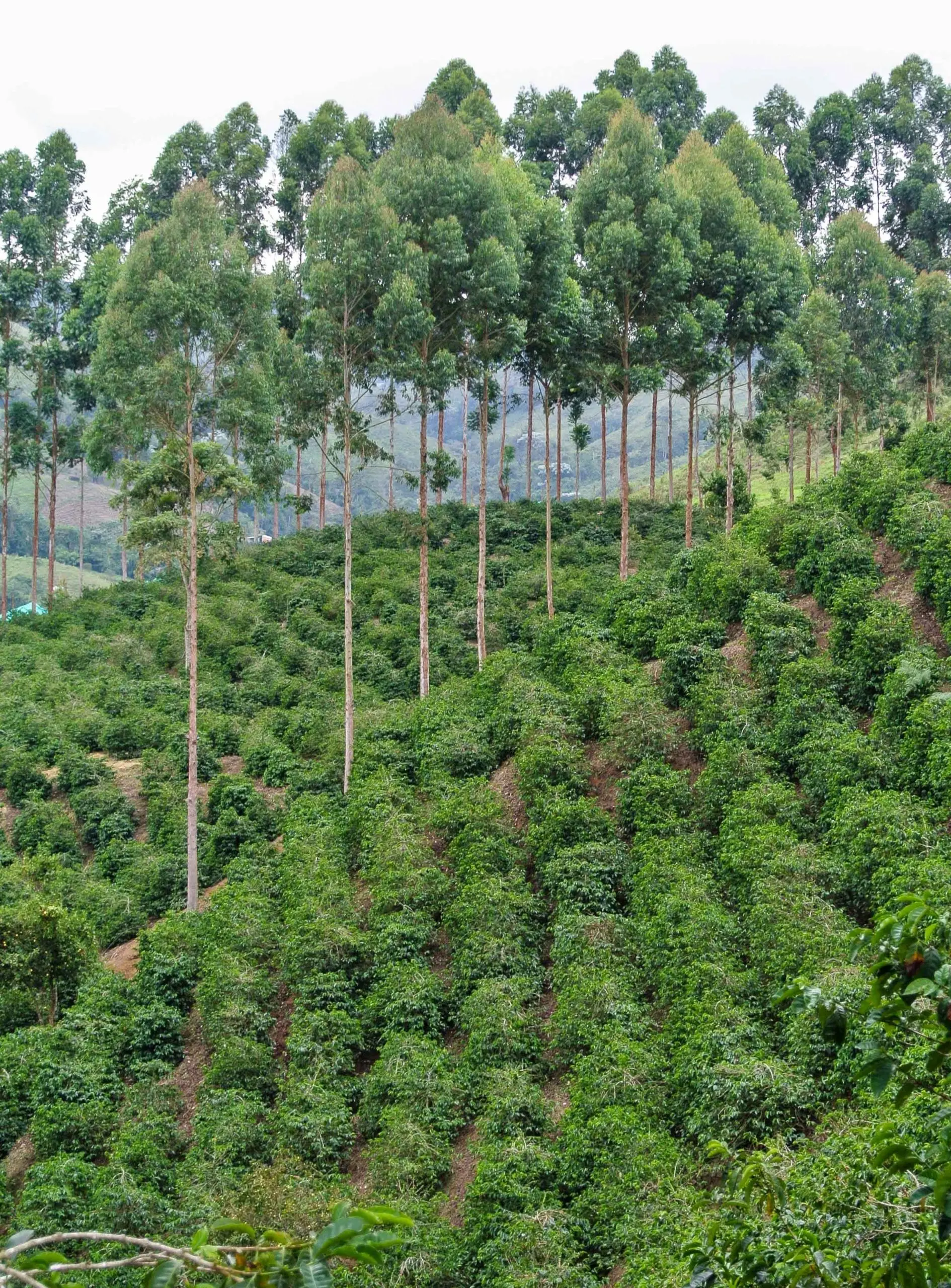
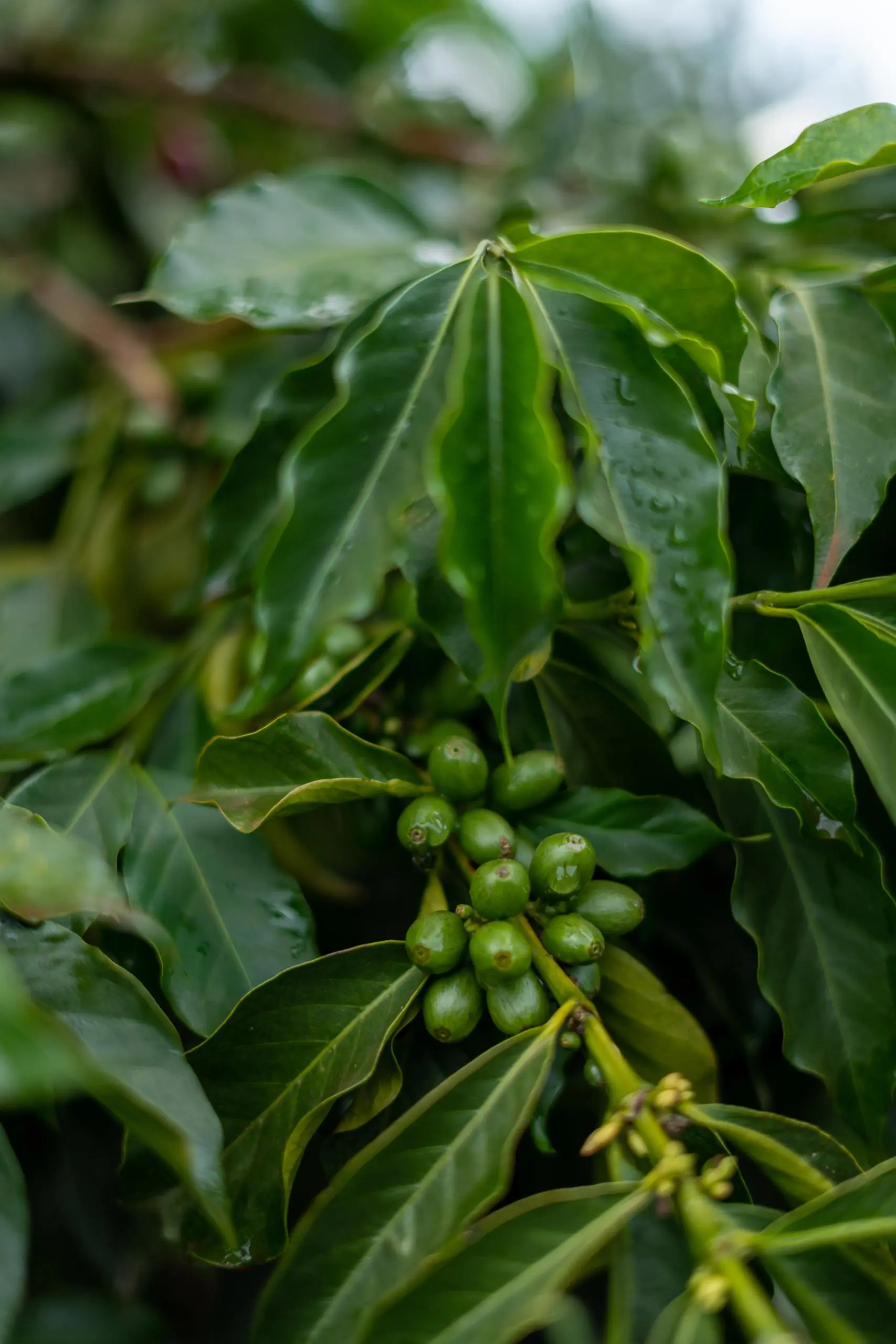
Vietnam plays a central role in LIX Roastery’s sourcing strategy. Geographic proximity and access to domestic growing regions allow us to work more closely with farmers, producers, and green-coffee partners, while gaining a better understanding of the factors that influence coffee quality at source.
Developing Vietnamese coffees begins with more than the name of a region or cultivar. Each lot is assessed based on its actual quality, sensory profile, provenance information, processing method, crop season, and traceability potential. Measurements such as moisture content, water activity, and defect rate may also be considered where relevant to the evaluation process.
A GLOBAL ORIGIN NETWORK
Alongside domestic sourcing, LIX Roastery continues to build relationships with partners in other coffee-producing countries. This network expands our access to different cultivars, origins, and processing methods, creating a broader foundation for product portfolios designed around different market needs.
Our approach to selecting coffee is closely linked to how we select partners. Transparency of information, responsibility across the supply chain, and the ability to maintain meaningful long-term working relationships are considered alongside product quality.
The objective is not to find one origin or one cultivar that can represent every product. We aim to understand the characteristics of each lot, evaluate its potential, and identify a development approach that reflects its actual quality.
The broader the sourcing network, the more important Origin information becomes
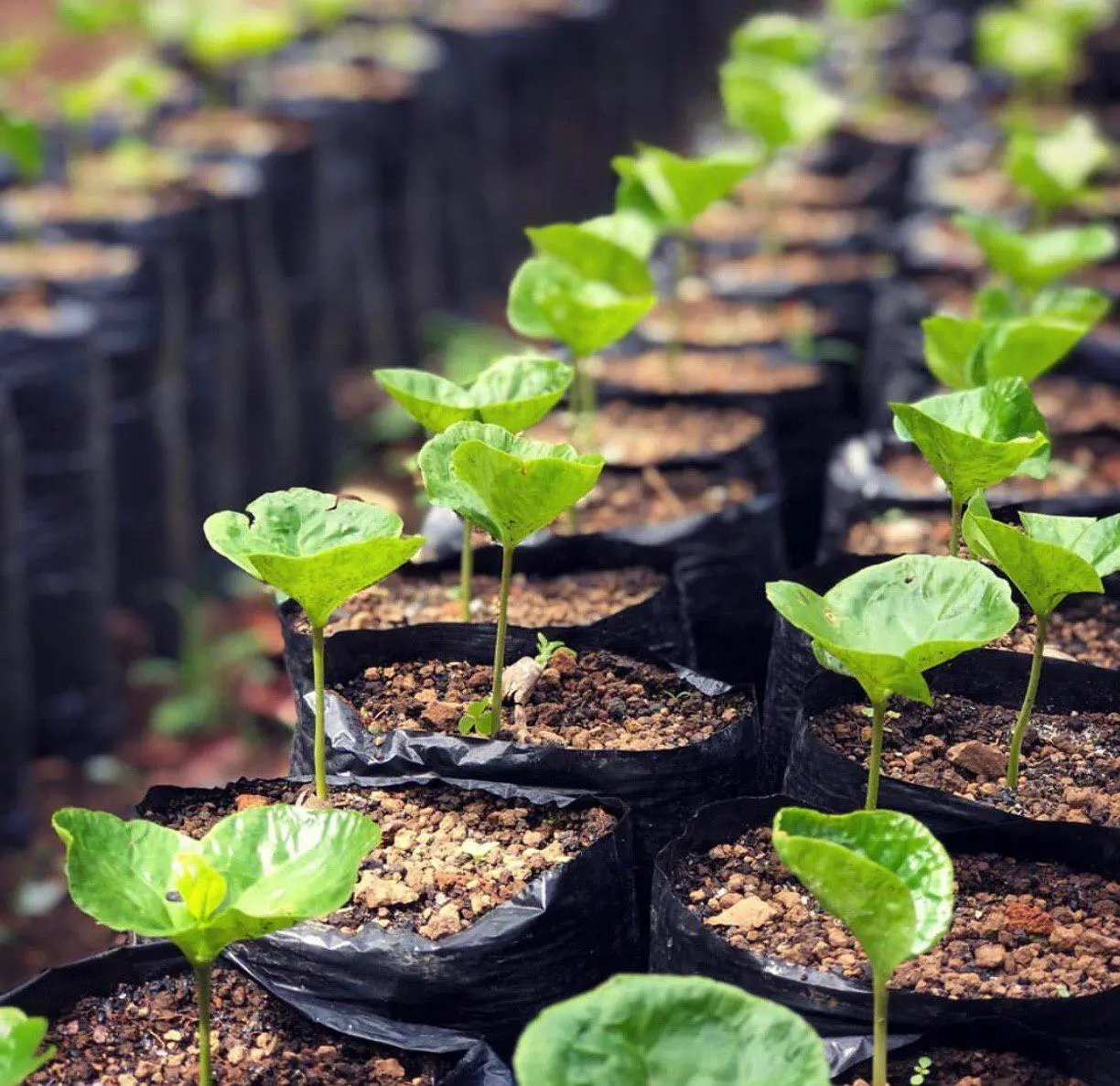
Origin is part of the operational data and commercial value of the product

Origin information is recorded from the beginning and kept connected to production
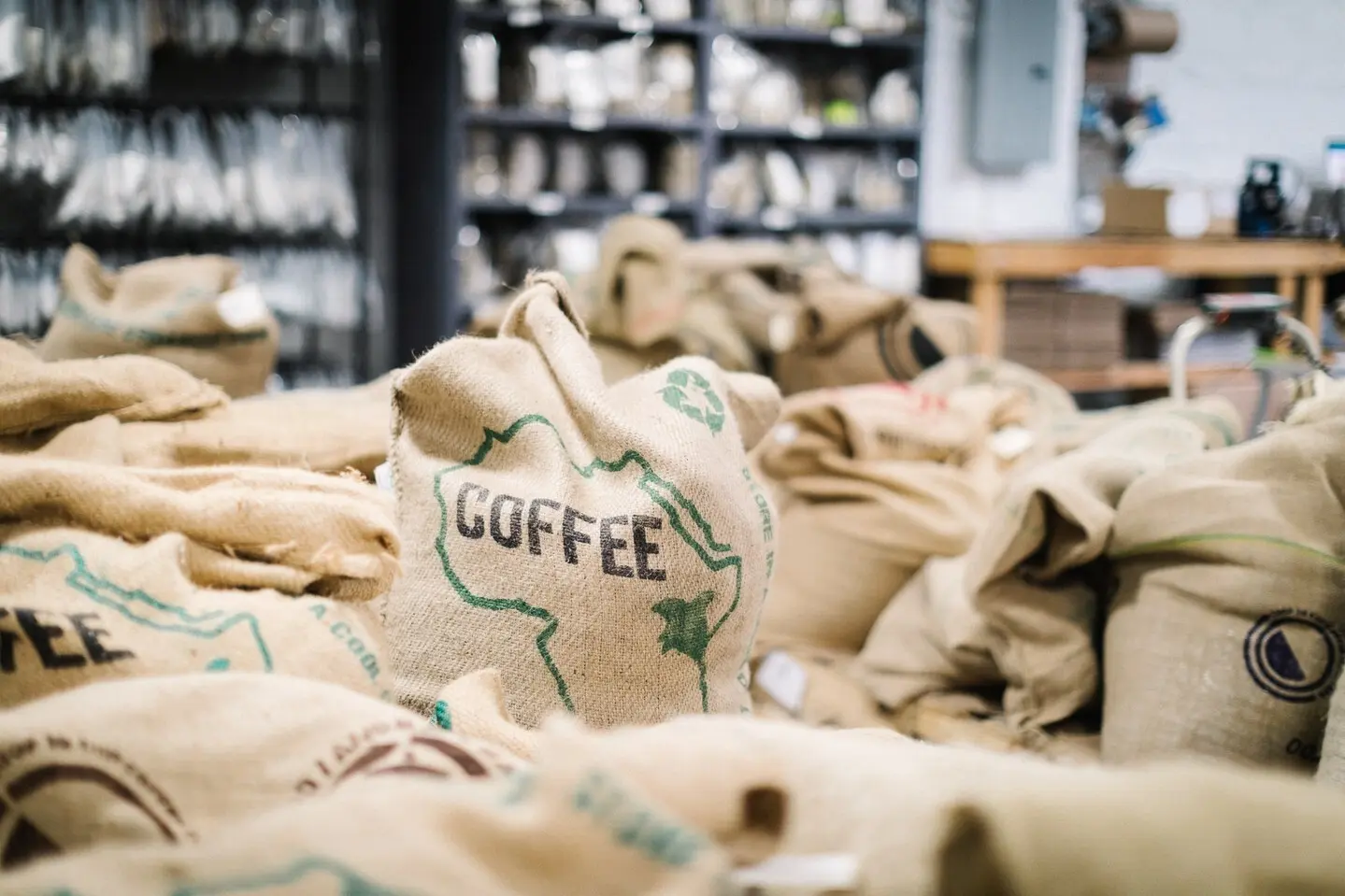
Each stage adds another layer of traceability
EXTREMELY LIGHT: A CONSISTENT ROASTING APPROACH
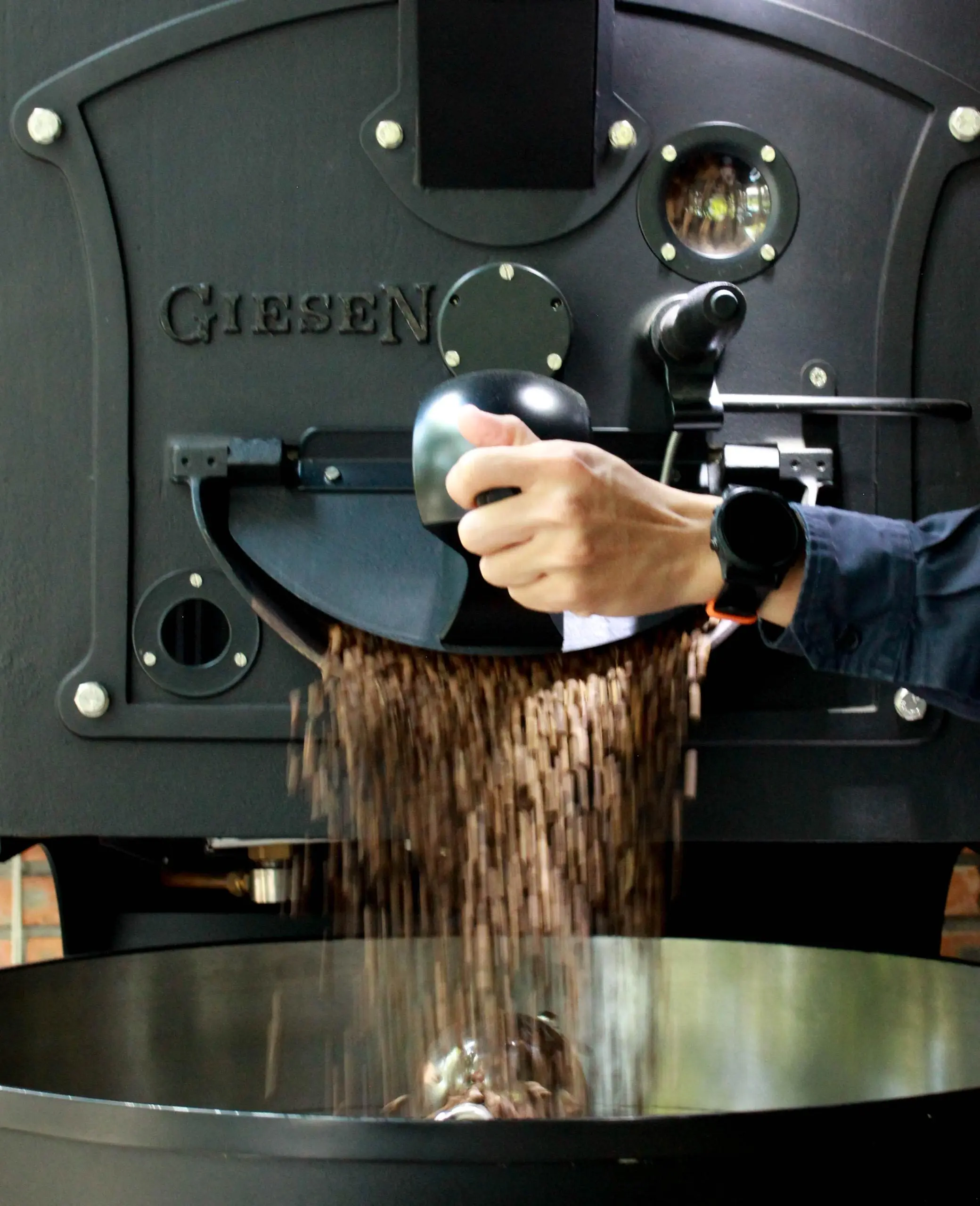
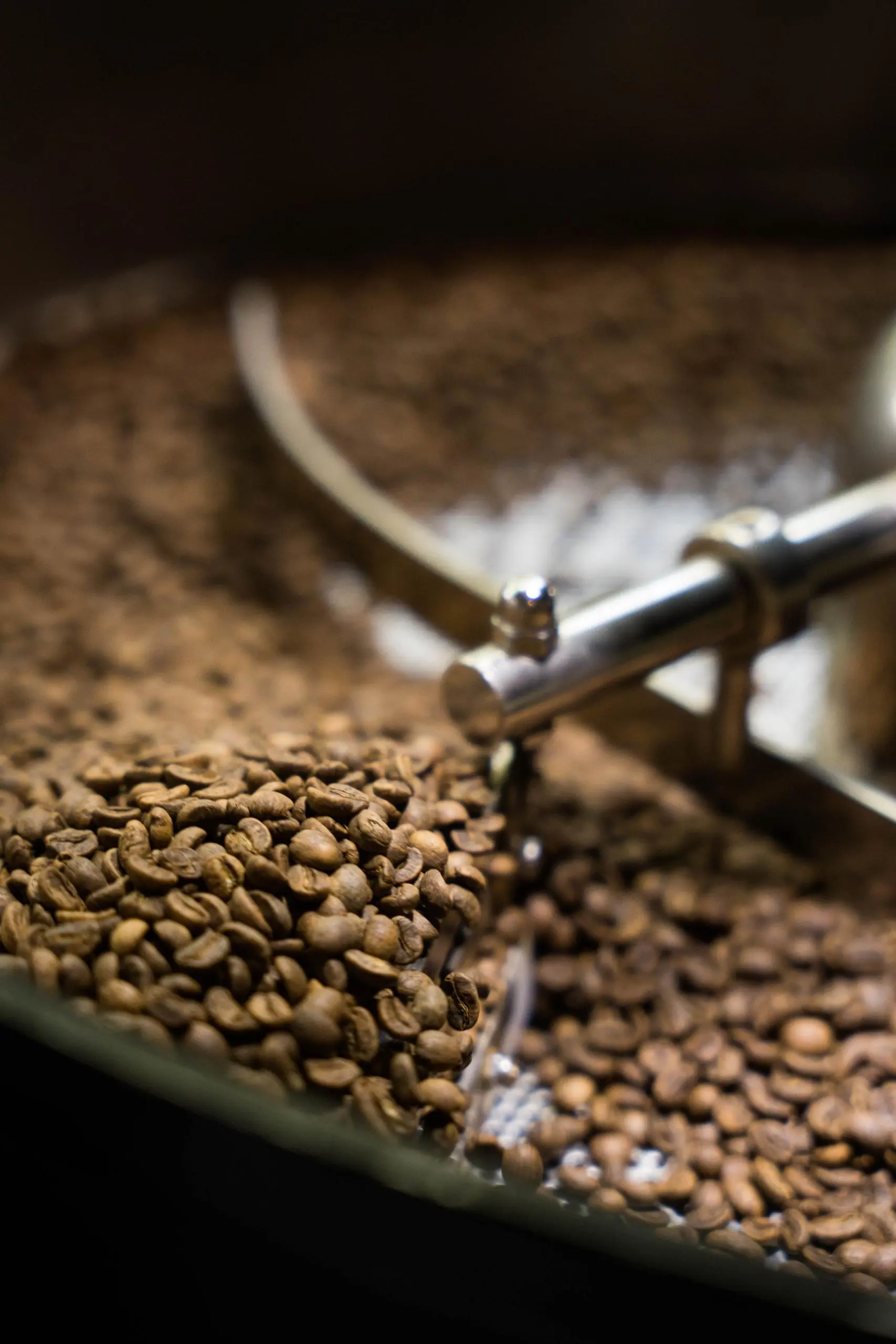
LIX Roastery applies an Extremely Light roasting approach across its commercial product portfolio.
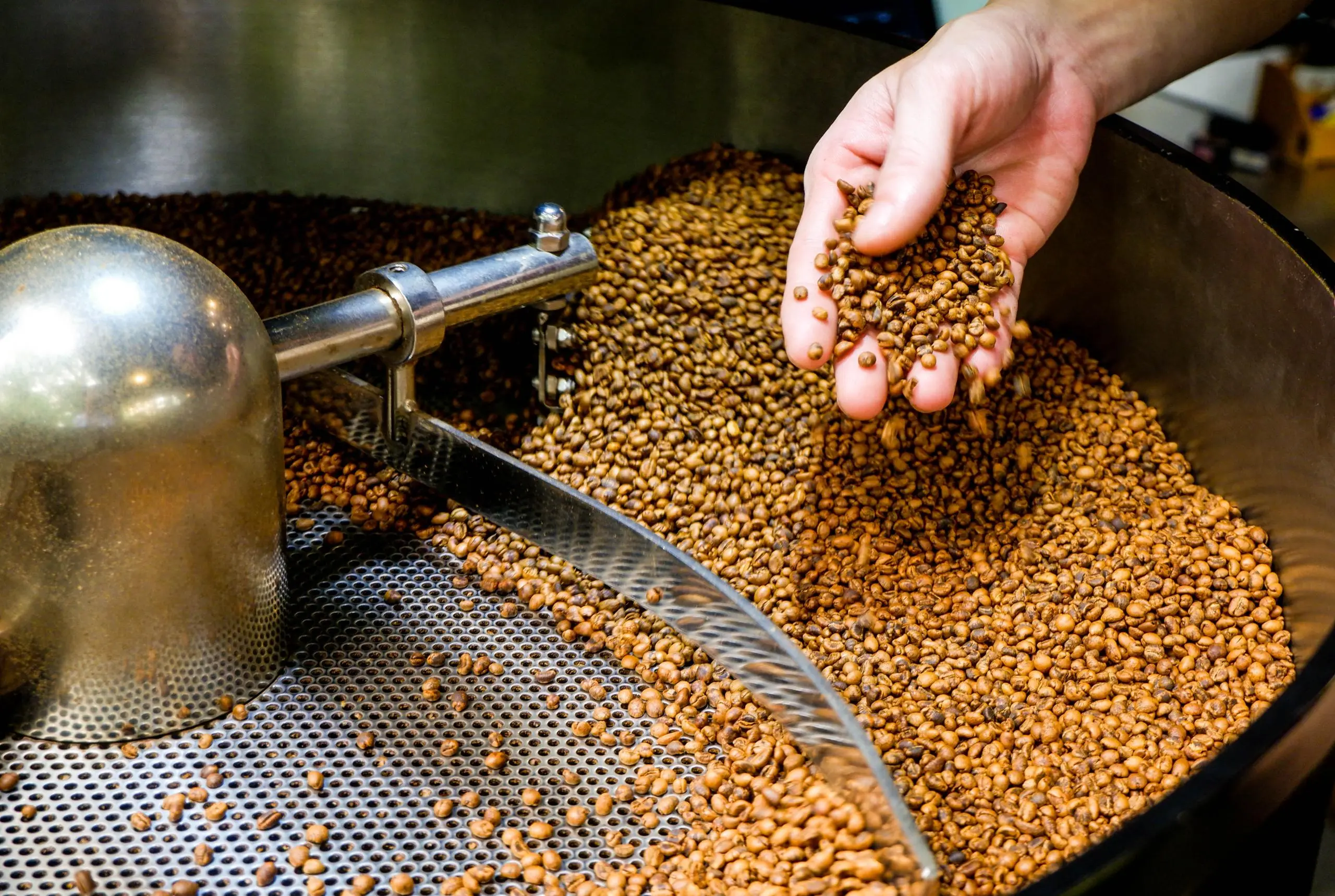
For us, roasting is not about imposing a signature roast character on the raw material. The process is controlled to develop the coffee while making its inherent sensory characteristics more distinct, rather than allowing roast character to overshadow them.
To pursue this approach, each roast profile is developed around the properties of the specific green-coffee lot. Differences in cultivar, origin, processing method, crop season, and the condition of the green coffee all inform how an appropriate profile is evaluated and built.
Extremely Light therefore does not mean using the exact same temperature curve for every coffee. The roasting philosophy is consistent, but profile development still depends on the specific raw material and must be validated through quality control.
For B2B partners, this creates a clear product direction: LIX Roastery evaluates the green coffee, develops roast profiles according to its own philosophy, and verifies finished-product quality before connecting the coffee with the market for which it is best suited.
We do not define consistency as making every lot taste the same. What needs to remain consistent is our working method, evaluation criteria, and quality-control process, while respecting genuine differences between coffees.

FDATA MANAGEMENT THROUGHOUT THE OPERATION
To serve importers, distributors, and international retail chains, production capability must be supported by robust data management.
At LIX Roastery, each stage of the operation adds another layer of product identification and information.
Green Coffee Lot
Origin data, including producer or farm, cultivar, processing method, crop season and relevant physical-analysis results
Roast Batch ID
Technical roast-batch data, roast curves, and quality-control results, including QC cupping
Packaging Lot
Packaging and storage-control information that supports freshness management and shelf-life planning for long-distance logistics
Export Dossier
The relevant technical-compliance documents, phytosanitary documentation required for the destination market
Together, these data layers create a basis for tracking and reconciling product information from green coffee through to the commercial finished product. The practical level of traceability depends on how consistently data is recorded, linked, and maintained throughout operations.
For LIX Roastery, traceability is not simply about identifying where a coffee comes from. It is also a way to preserve the link between the raw material, the product-development process, and the information required as that product enters the supply chain.
the material
What qualities, value, and information are already present – and how are they established?
the value
How should those qualities be developed and controlled within the product?
the product
How should it be prepared for the market it is intended to enter?
OPERATING PHILOSOPHY: DESCRIBE THE ORIGIN – DESCRIBE THE ENDEAVO
The way LIX Roastery selects raw materials, develops roast profiles, and manages data is guided by three principles: Transparency, Responsibility, and Sustainability.
These principles are distilled into our brand direction: Describe the Origin – Describe the Endeavor.
Describe the Origin
A coffee lot cannot be fully understood through the name of its growing region alone. Describing origin accurately means understanding the information that shapes the raw material: the producer, growing region, cultivar, crop season, processing method, and the actual quality of the lot.
LIX Roastery’s role is to evaluate, record, and maintain the relevant information so that a product is developed from identifiable provenance rather than broad or generic claims.
Describe the Endeavor
The quality of a coffee product is the result of many connected stages of work. From cultivation, harvesting, and processing to sourcing, roasting, quality control, packaging, and distribution, each link contributes to the final product.
LIX Roastery does not regard these efforts as its achievement alone. Our role is to contribute to the value chain through product-development capability, quality-control systems, and the ability to maintain information across the stages in which we are involved.
When information is recorded accurately and technical decisions are made intentionally, a product has a stronger basis for expressing both where it comes from and how it was created.
This is also how we understand the responsibility of a B2B coffee roaster and product-development partner: not only to finish the product, but also to help maintain clarity of information and continuity between the different links in the supply chain.
is how LIX Roastery defines its role within that chain
LIX ROASTERY: DEVELOPING PRODUCTS FROM ORIGIN TO MARKET
LIX Roastery is built around a consistent direction: understand the raw material before developing the product, control the roasting process and finished-product quality, and maintain the information needed for the product to move into a B2B supply chain.
From Vietnamese producing regions to an international partner network, and from Green Coffee Lot to Roast Batch and Packaging Lot, each stage plays a role in creating a product supported by quality criteria and clear information.
We seek partners who share an interest in sourcing, quality, transparency, and the development of long-term commercial relationships.
When information is recorded accurately and technical decisions are made intentionally, a product has a stronger basis for expressing both where it comes from and how it was created.
This is also how we understand the responsibility of a B2B coffee roaster and product-development partner: not only to finish the product, but also to help maintain clarity of information and continuity between the different links in the supply chain.
JOURNAL
View allFrom October 8–10, 2026, LIX Roastery will be at Cafe Show Hanoi 2026, Hall 2 – Vietnam Exposition Center (VEC), Dong Anh, Hanoi.The event is an opportunity to introduce how LIX develops coffee for international B2B markets and, more importantly,…
In international coffee trade, raw-material quality is the starting point, but it is not enough on its own to create a market-ready commercial product. Between the producing region and the buyer are a series of connected stages: raw-material evaluation, product…
Extremely Light is the roasting philosophy applied across all commercial coffees at LIX Roastery. It shapes how the Roastery reads green coffee, manages energy, and evaluates the result of a roast. The principle is straightforward: roasting should make the character…
When a roasted-coffee lot leaves the production system, processing is complete, but the preservation challenge is just beginning. The coffee is immediately exposed to variables involving gas release, oxygen, moisture, and temperature changes throughout storage and logistics. At LIX Roastery,…