

From Orgin to market: How LIX Roastery BUILDS THE B2B VALUE CHAIN
LIX Roastery was built to connect these stages in B2B roasted-coffee development. We work with sourcing partners, develop products according to our own quality direction, and coordinate with market partners to prepare products for real commercial requirements.
For LIX Roastery, the value chain is more than the journey of moving coffee from origin to market. It is also the process of maintaining quality, information, and continuity between the different parties involved in creating the product.
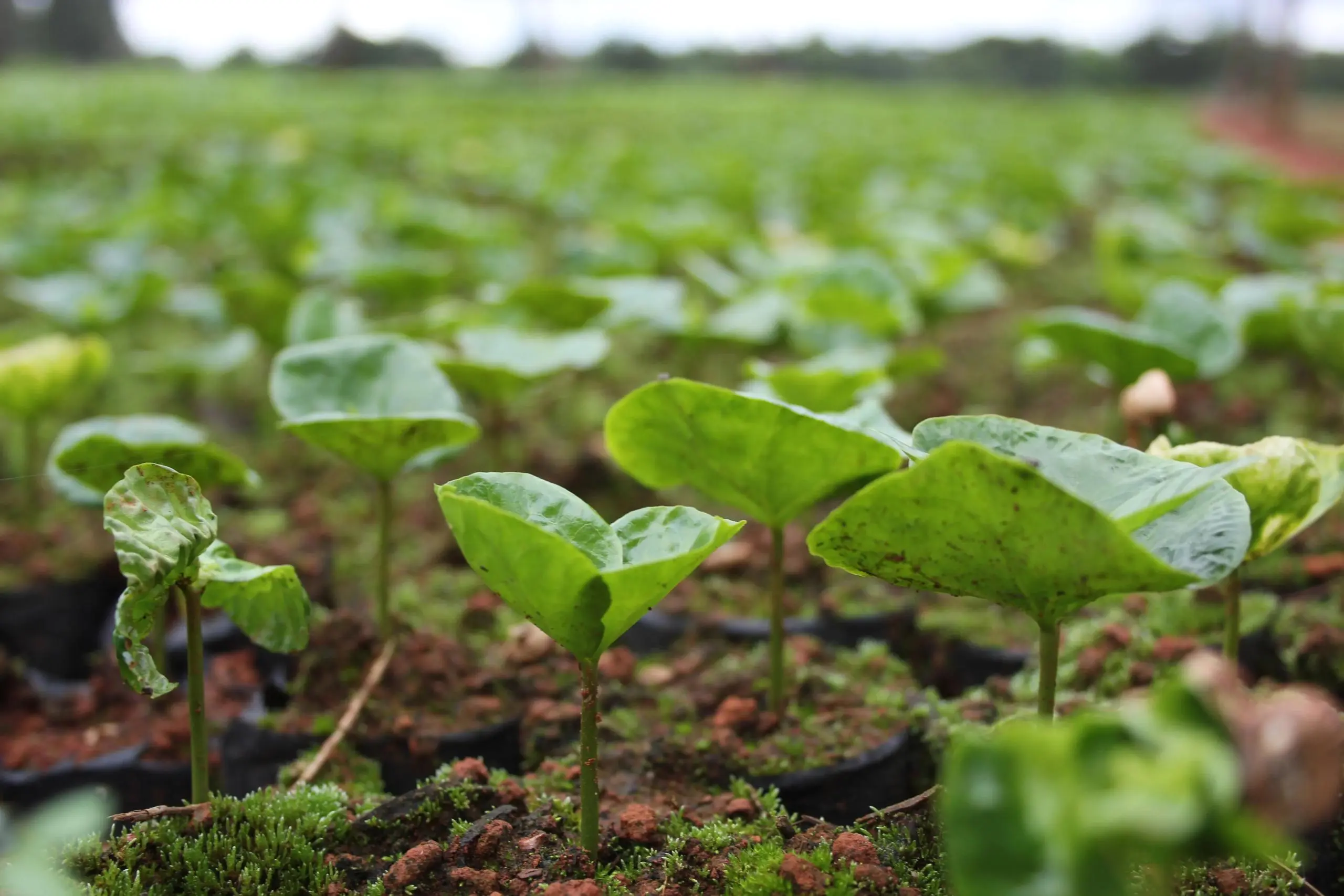
FROM ORIGIN: BUILDING RELATIONSHIPS WITH SUPPLY PARTNERS
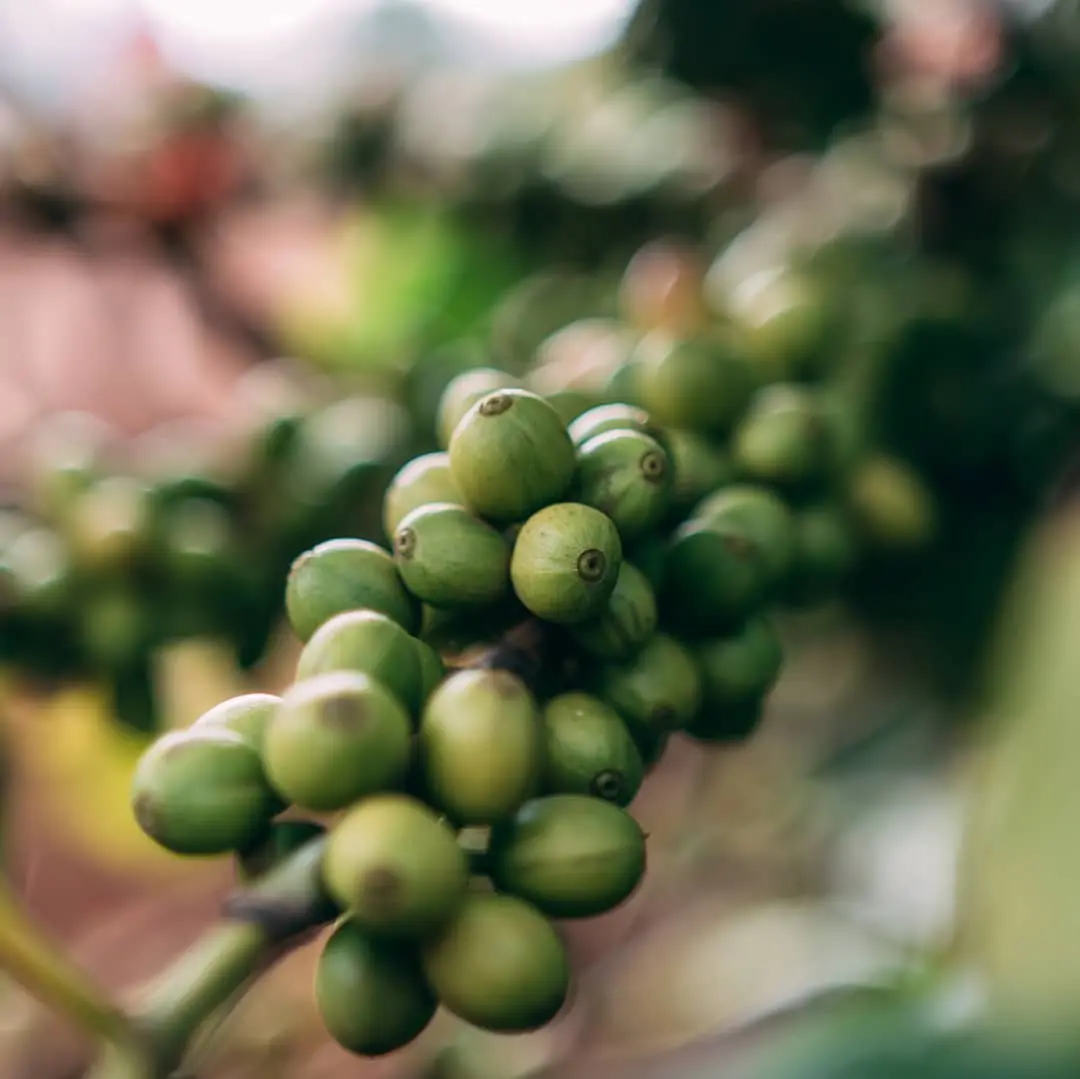
LIX Roastery’s value chain begins with the raw material and the partners who help create and supply it. This network may include farmers, producers, cooperatives, exporters, and green-coffee suppliers in Vietnam and in other coffee-producing countries.
Raw-material evaluation is not based solely on an origin name or cupping score. Each lot needs to be considered in terms of its actual quality, sensory characteristics, provenance information, processing method, crop season, and other relevant data that can be verified.
The nature of the partnership is also part of the sourcing decision. Transparency of information, responsibility toward the coffee source, and the ability to maintain a long-term working relationship are among the qualities LIX Roastery seeks.
This direction reflects how we understand value in coffee: a product is shaped not only by measurable characteristics in the bean, but also by the work of the people involved in cultivation, harvesting, processing, and supply.
Vietnam remains central to LIX Roastery’s sourcing-development strategy. At the same time, relationships with international partners expand access to different coffees and create a broader foundation for product portfolios designed around a range of B2B needs.

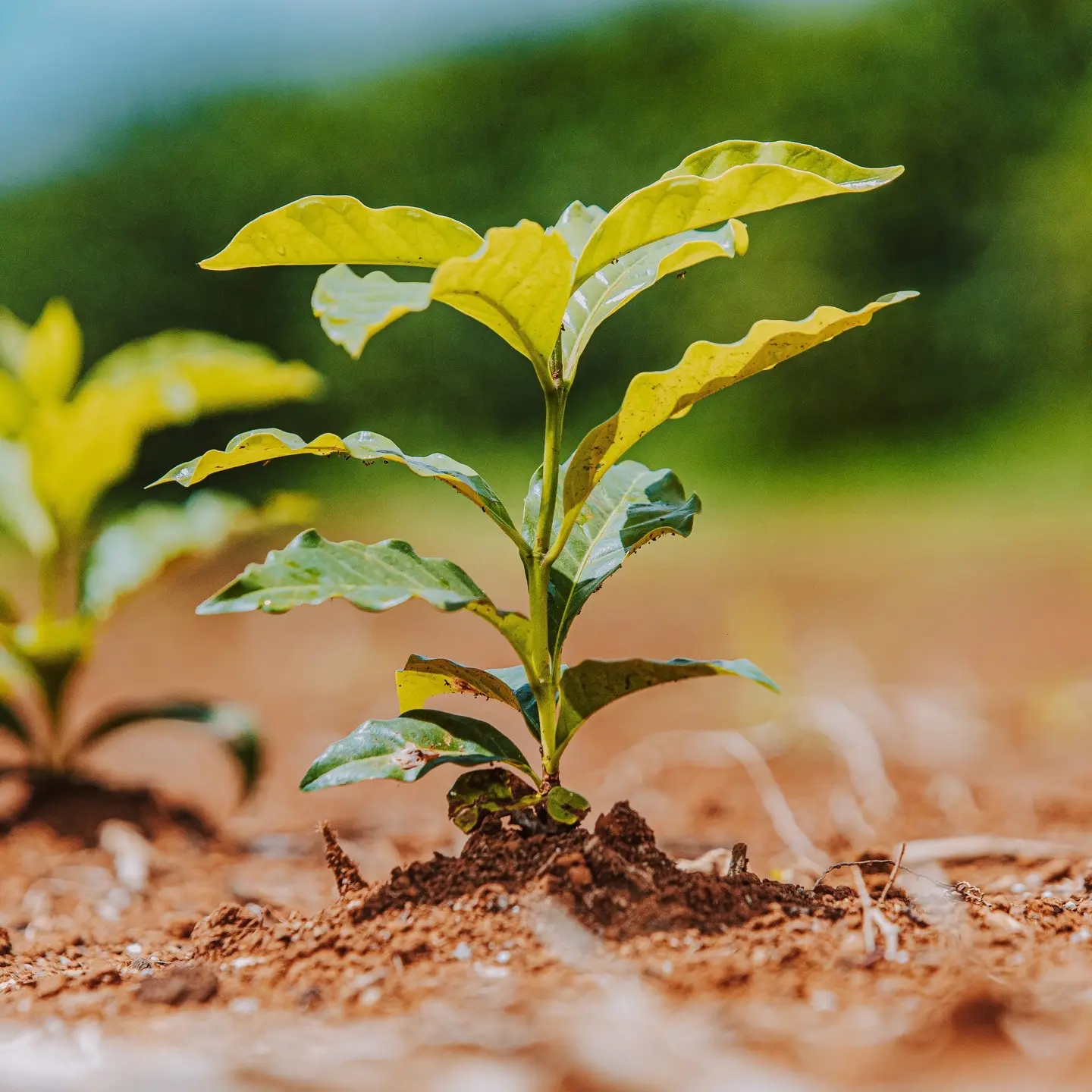
PRODUCT DEVELOPMENT: CONNECTING RAW MATERIAL WITH MARKET REQUIREMENTS
Suitable raw material needs to be developed into a product with a defined quality target, specification, and production framework. This is LIX Roastery’s role within the B2B value chain.
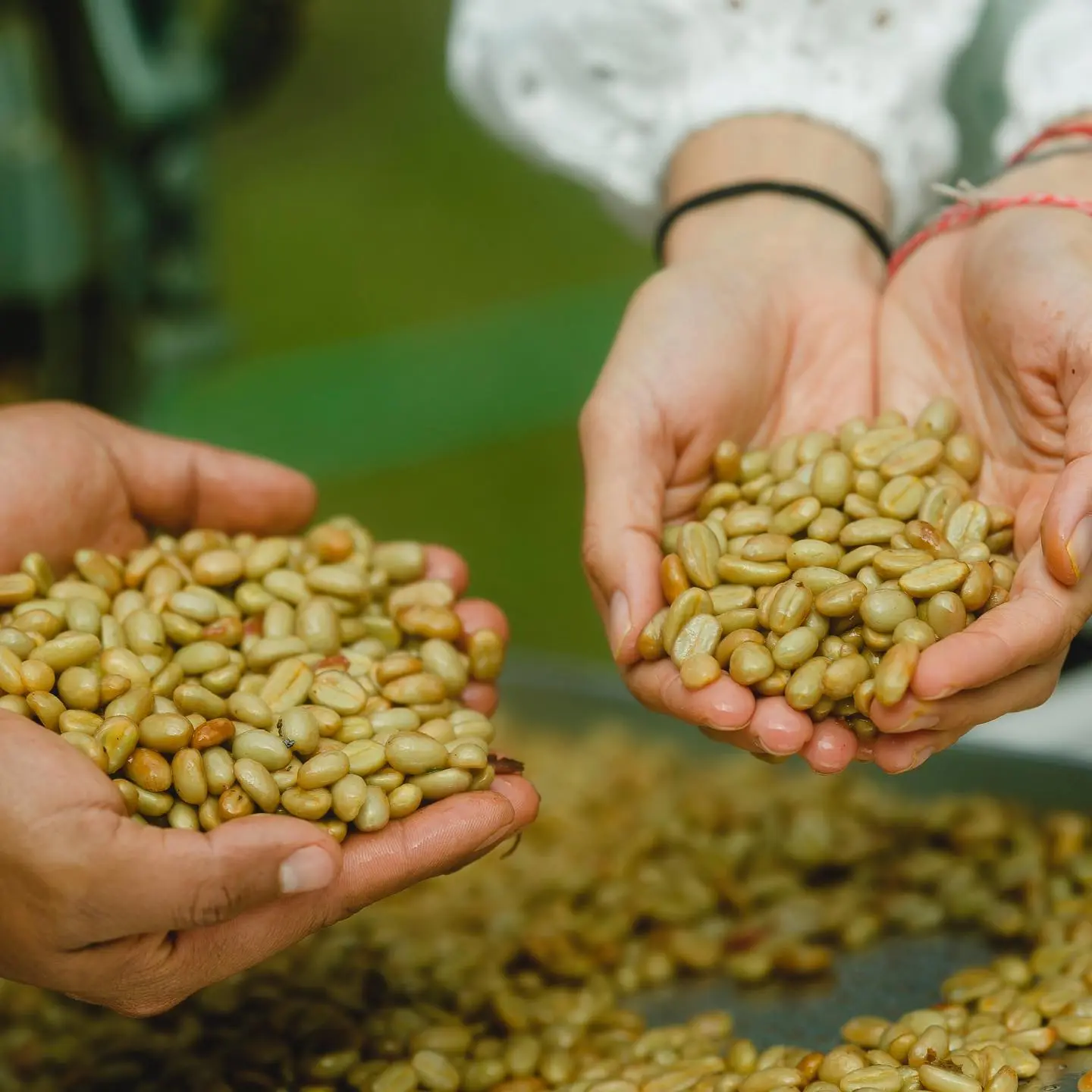
The process begins with green-coffee evaluation, roast-profile development, sensory assessment, and quality control before the product moves into commercial production. Technical decisions are made in relation to the characteristics of the raw material and the defined product objective.
LIX Roastery applies the Extremely Light roasting approach across its commercial portfolio. This method guides how roast profiles are developed so that the characteristics of the raw material remain clear rather than being overshadowed by roast character.
Using one consistent roasting philosophy does not mean applying the same temperature curve to every coffee. Profiles still need to be developed and assessed according to the specific raw material, operating conditions, and quality requirements of the product.
Once a roast profile has been developed, the product needs to be tested under appropriate production conditions. Quality-control criteria, sensory results, and packaging specifications provide the basis for determining whether the product meets the requirements established for it.
For B2B partners, this process helps clarify which raw material the product is developed from, what quality direction it follows, and what commercial information accompanies it. This creates a foundation for discussing supply capability, product specifications, and the route to market.

Sourcing
Sourcing sits at the beginning of the chain so that quality, Origin, and supply capability can be considered before product development begins
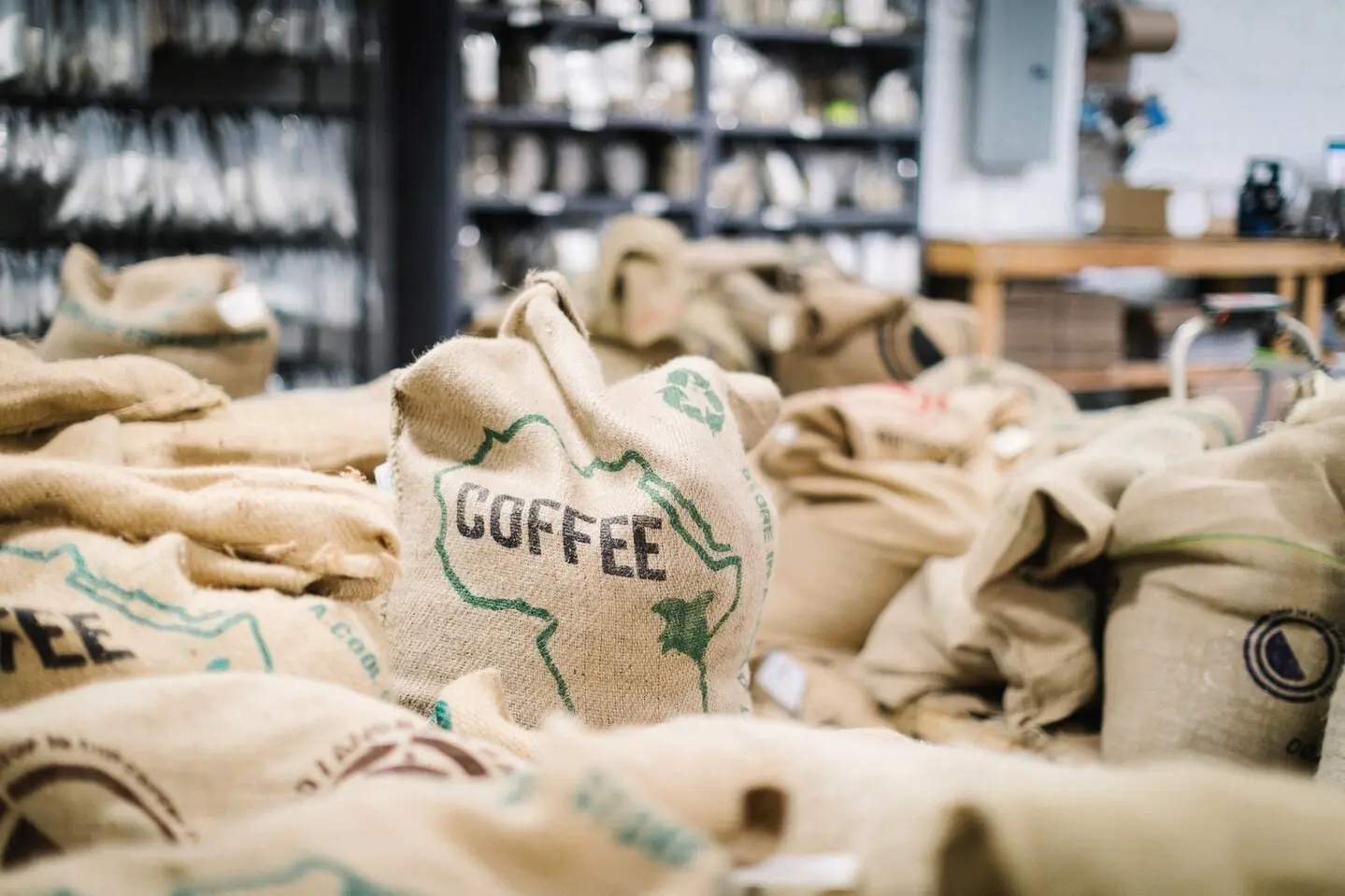
Traceability
Traceability keeps product information connected as coffee moves through production, packaging and trade
TRACEABILITY: MAINTAINING INFORMATION ACROSS EACH STAGE
A coffee product with clear provenance requires more than an origin name printed on the package. Information about the raw material, roast process, and finished product needs to be recorded clearly enough to be checked and reconciled when required.
In B2B operations, data can be linked through several information layers.
HUMAN
Identifies the raw-material lot and the available information associated with it, such as producer, crop season, processing method and quality-evaluation results
Roast Batch ID
Connects the product to the relevant roast batch, including the operating parameters and quality-control results recorded during production
Packaging Lot
Identifies the product through the packaging stage and supports reconciliation with the roast batch and relevant finished-product information
Export Dossier
Compiles the commercial documents and related records prepared according to the product, shipping route and requirements applicable to the shipment
When these data layers are recorded and linked appropriately, the relationship between raw material, production, and finished product becomes clearer. The practical level of traceability depends on the scope of data collected, the way records are managed, and the ability to maintain information across the different stages.
For LIX Roastery, traceability is not only about determining where a coffee comes from. It is also part of how we manage product information, support quality control, and coordinate with partners across the supply chain.
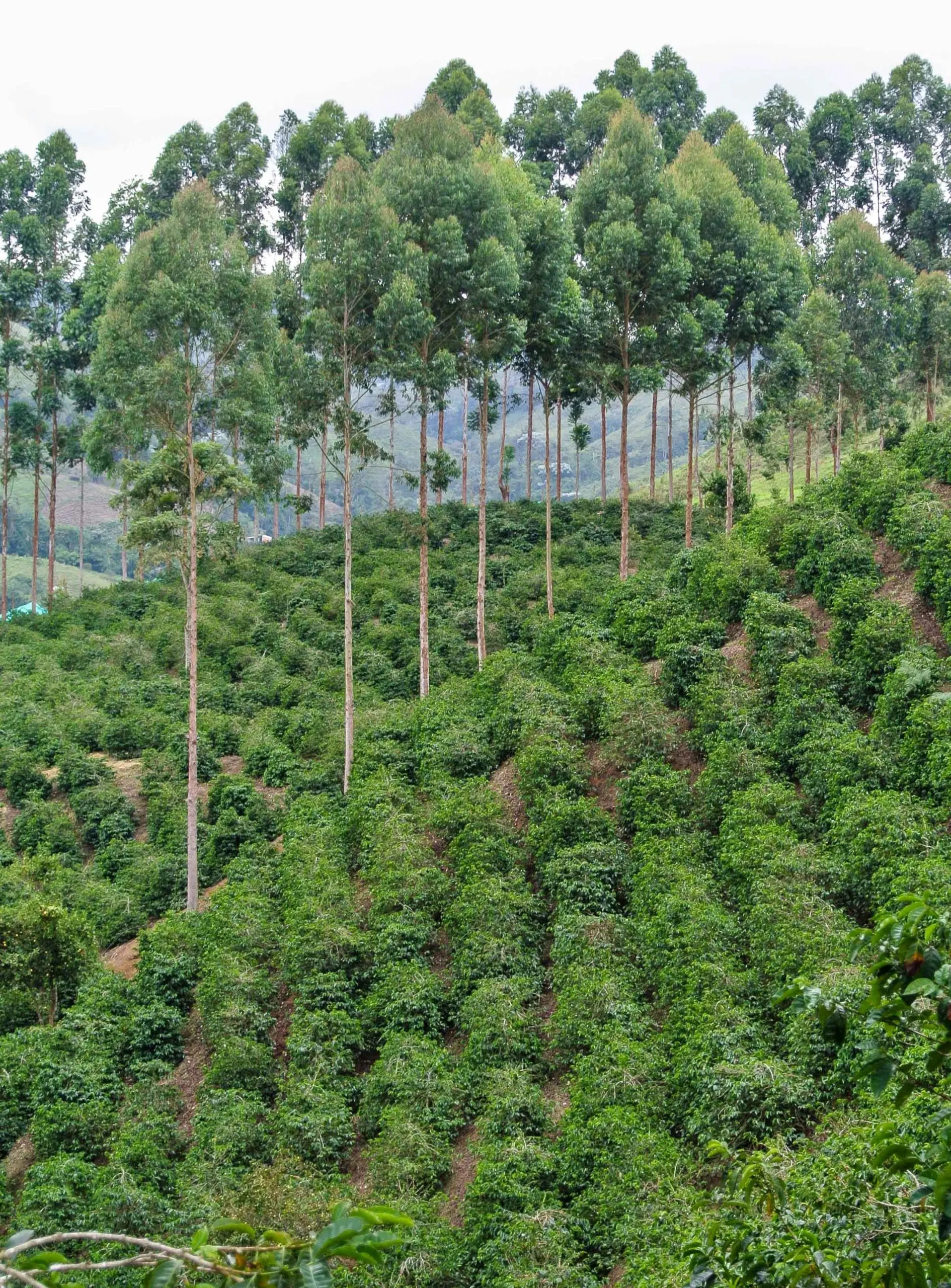
FARM & ORIGIN
Farm and regional data establish the starting point of the traceability system.
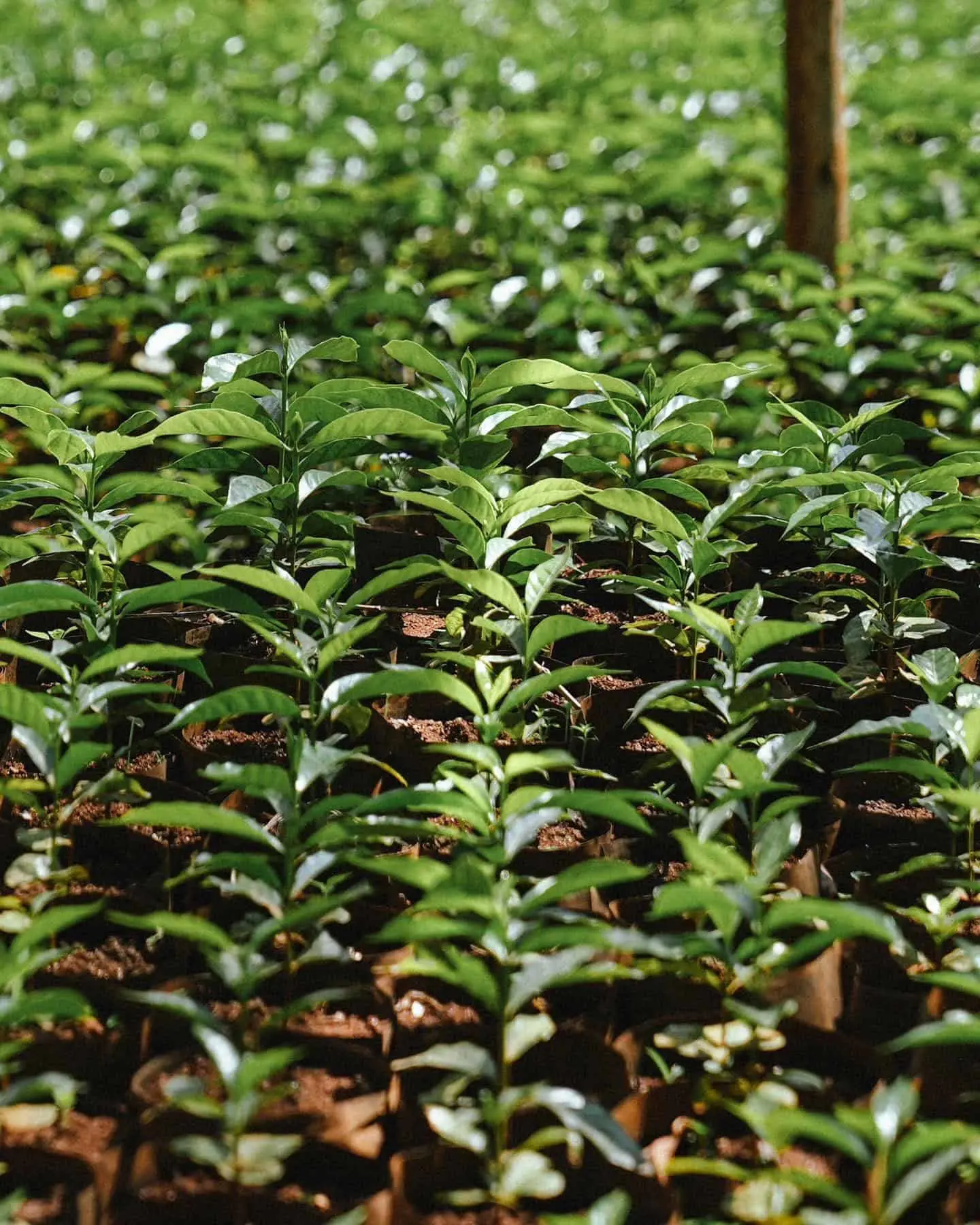
VARIETY
Variety information adds another layer to the identity of each coffee lot.

PROCESSING
Processing remains connected to the Origin record and the wider product data.
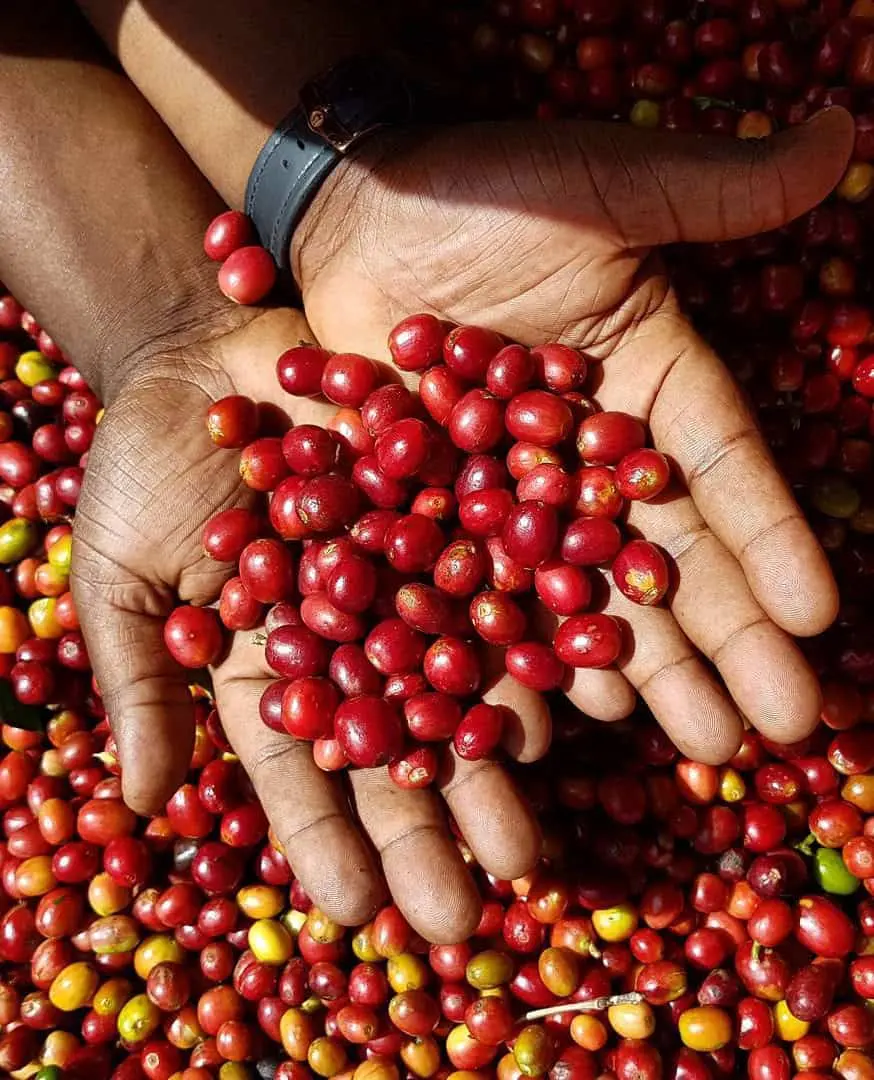
PRODUCER
Producer information connects the finished product with the people and organizations responsible for the coffee at Origin.

PACKAGING LOT
The Packaging Lot links the packed product back to its Roast Batch and earlier production records.
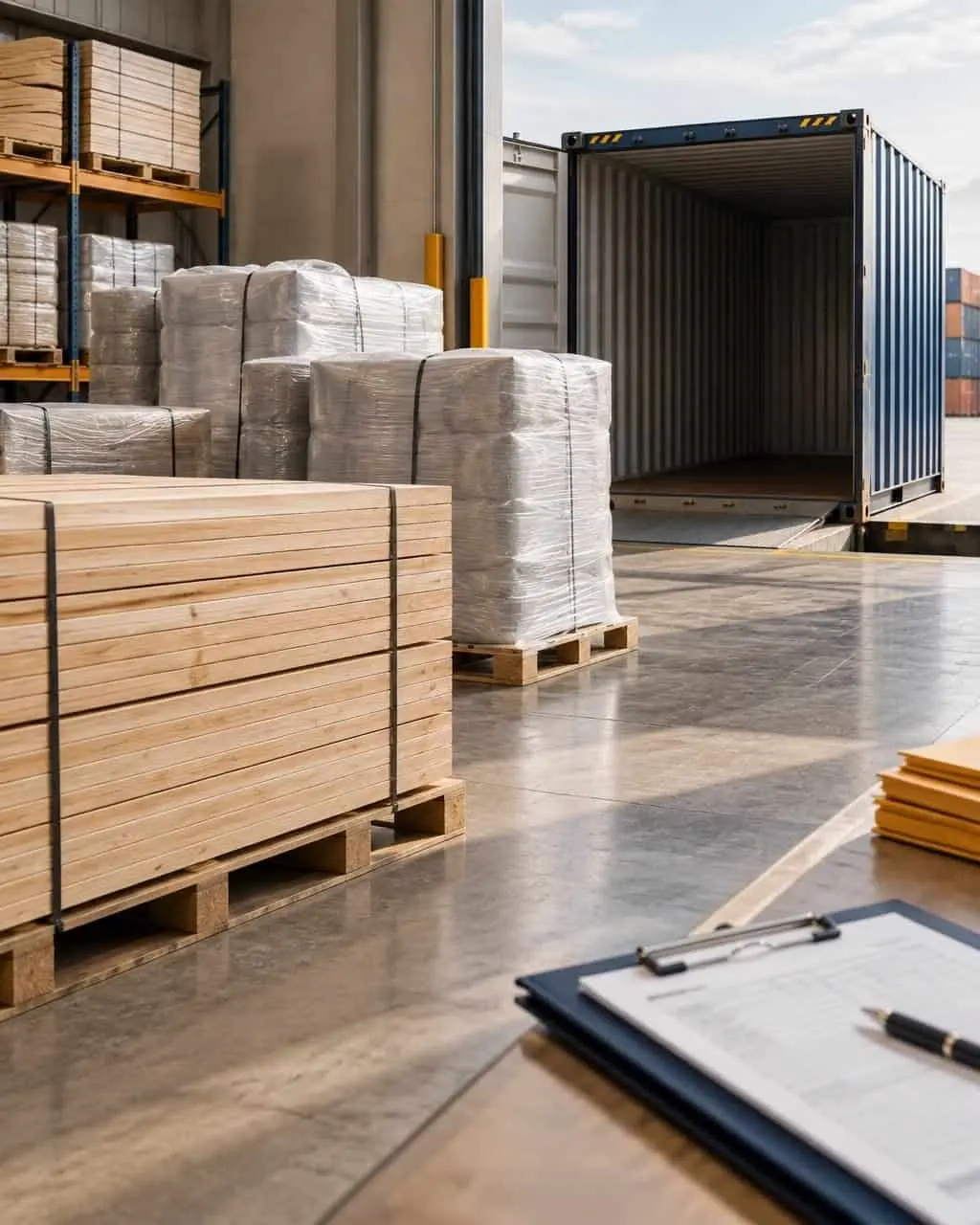
SHIPMENT LOT
The Shipment Lot extends traceability from production into delivery and distribution.
PREPARING FOR THE DESTINATION MARKET: FROM PRODUCT TO COMMERCIAL READINESS
A product that meets quality requirements may still need additional work before it can be traded in a particular market. Beyond the coffee itself, export activity can involve packaging formats, labeling information, commercial documentation, food-safety requirements, and rules that apply to specific shipping routes and destination markets.
For this reason, destination-market preparation needs to be considered early rather than only after production is complete.
Depending on the market and the role of each party in the transaction, relevant work may include preparing product information, coordinating export documentation, and identifying technical or legal requirements that need to be met.
For the United States, requirements related to food-facility registration, prior notice, and applicable food-safety regulations need to be considered according to the specific scope of the transaction. In the European Union, product and supply-chain requirements likewise need to be determined according to the type of goods, the role of each party, and the regulations in force.
These requirements are not identical for every product or transaction. Commercial readiness therefore depends on correctly identifying the requirements of the destination market, maintaining the necessary information, and coordinating with the parties responsible for each procedure.
For LIX Roastery, this is part of B2B product development: not only completing the coffee in terms of quality and specification, but also preparing the information needed for the product to enter a partner’s supply chain on a sound commercial basis.

The value of a product begins at Origin, but it requires a clear system to travel further.
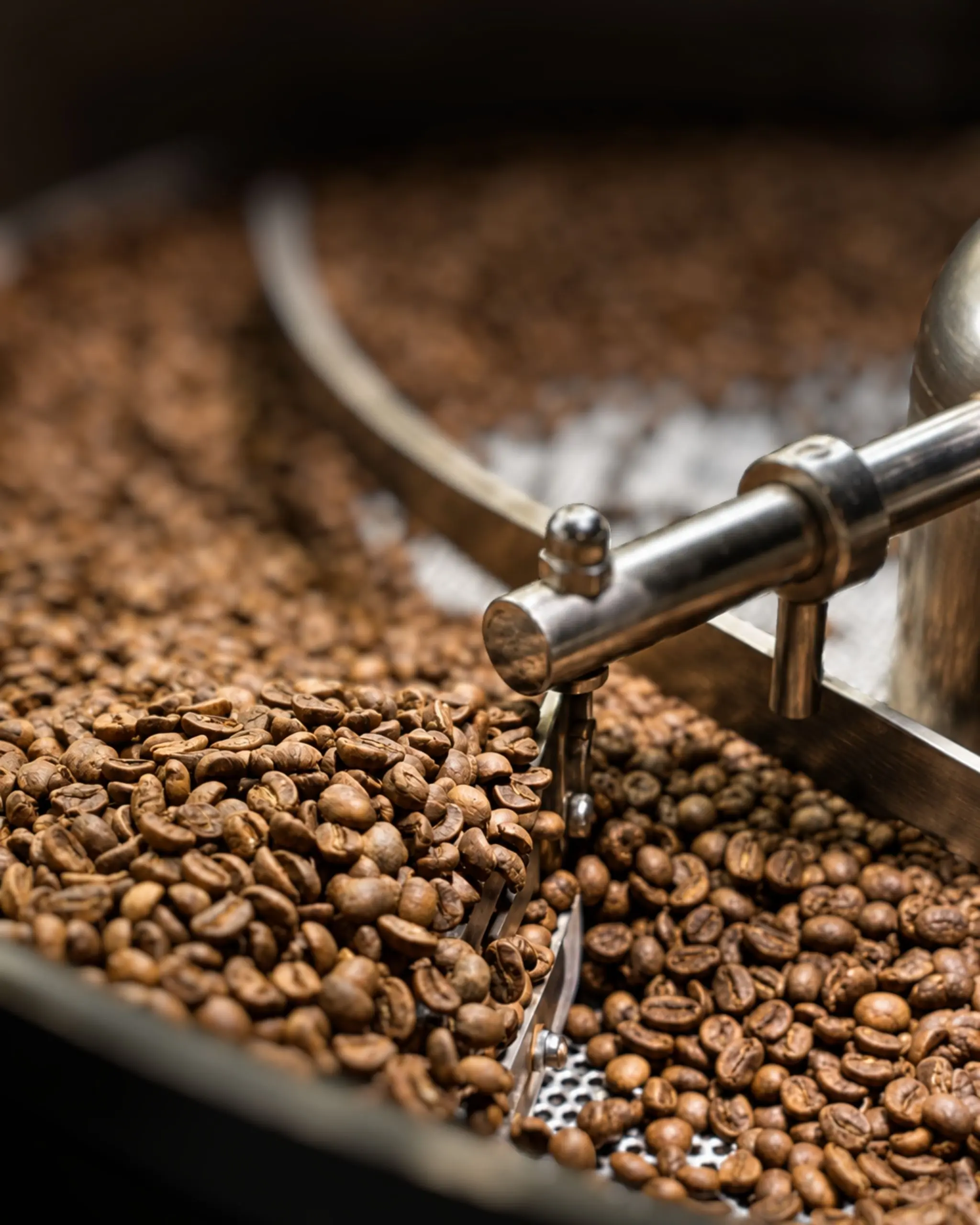
Product development is the bridge between the potential of the material and the standard required for market.

As the product enters market, packaging, documentation, traceability, and logistics become part of the same B2B system.
CONNECTING WITH DISTRIBUTION PARTNERS: BUILDING LONG-TERM SUPPLY RELATIONSHIPS
On the market side, LIX Roastery seeks to work with importers, distributors, commercial roasters, retail chains, and other businesses developing coffee products for international markets.
Each partner may have different requirements for product range, packaging format, volume, delivery schedule, and supporting information. Building a B2B relationship therefore goes beyond selecting a suitable coffee lot; it also involves defining how the product will fit into the partner’s commercial operation.
LIX Roastery aims to align with partners on product requirements, supply capability, commercial specifications, and the conditions that need to be agreed before implementation. During the partnership, maintaining product information, controlling quality, and communicating promptly when raw-material conditions change are also important.
Consistency in a supply relationship does not mean that every crop season must produce identical raw material. What needs to be managed consistently are the quality criteria, evaluation methods, relevant information, and supply conditions agreed between the parties.
When these elements are coordinated clearly, both sides have a stronger basis for planning, product evaluation, and the development of a commercial relationship across multiple supply cycles.
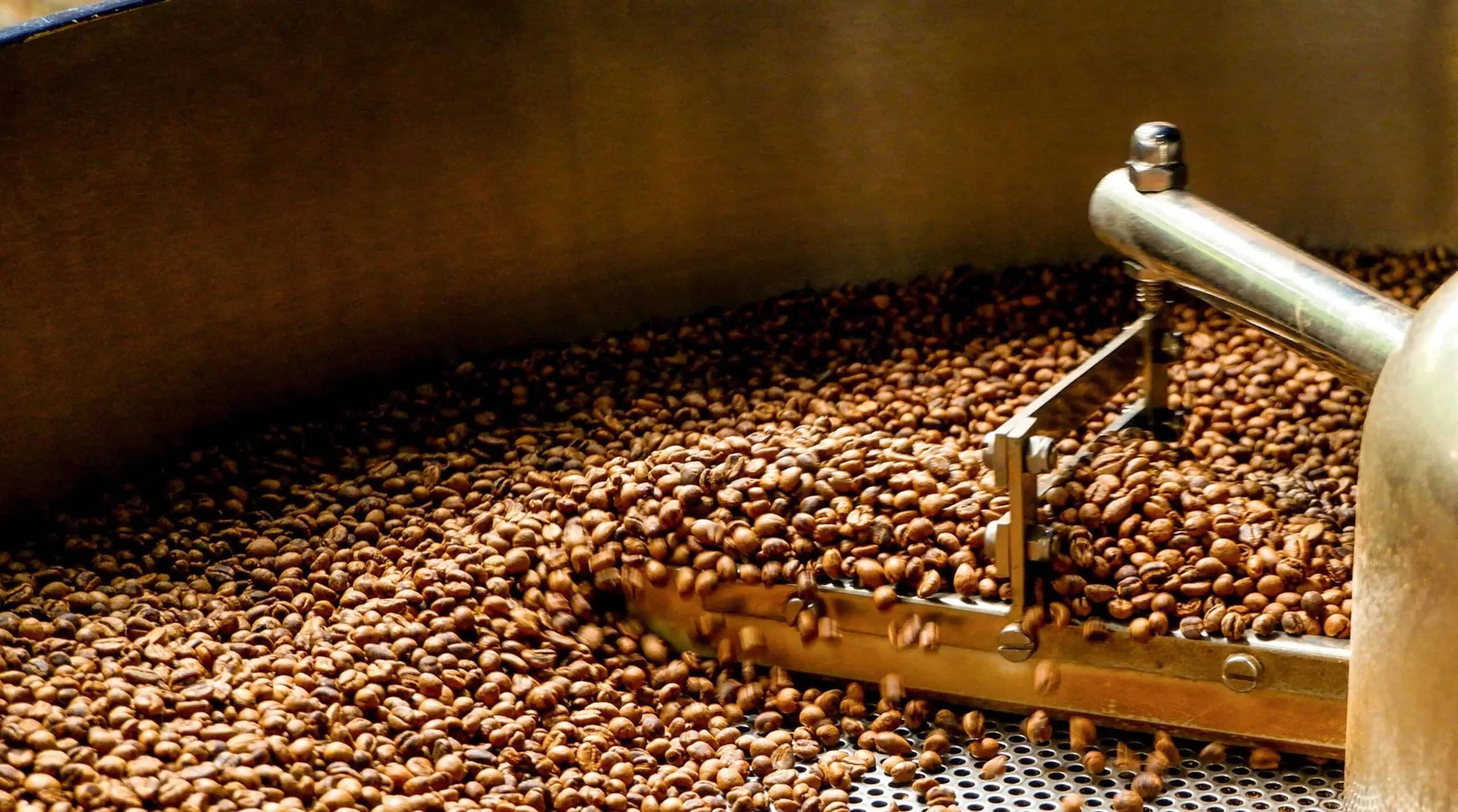
LIX ROASTERY: CONNECTING RAW MATERIAL, PRODUCT, AND MARKET
LIX Roastery’s B2B value chain is built around the connection between raw material, product development, quality control, data, and market requirements.
From working with sourcing partners to developing roasted coffee and coordinating destination-market preparation, each stage has a distinct role. The value of the system lies in connecting those stages through clear information, consistent working criteria, and long-term partnership thinking.
LIX Roastery seeks partners who share an interest in raw-material quality, information transparency, and the development of coffee products for international supply chains.
JOURNAL
View allLIX Roastery is a roasting facility and coffee development platform serving the international B2B market. We work across the coffee development process, from green-coffee evaluation and roast-profile development to quality control, packaging, and product-data management. Our aim is to create commercially…
When a green coffee lot enters the LIX Roastery system, development begins with understanding the material before defining the roast. Rather than starting with a preset profile and applying it to the coffee, LIX begins by reading the lot itself…
Extremely Light is the roasting philosophy applied across all commercial coffees at LIX Roastery. It shapes how the Roastery reads green coffee, manages energy, and evaluates the result of a roast. The principle is straightforward: roasting should make the character…
When a roasted-coffee lot leaves the production system, processing is complete, but the preservation challenge is just beginning. The coffee is immediately exposed to variables involving gas release, oxygen, moisture, and temperature changes throughout storage and logistics. At LIX Roastery,…