

The roastery
Density, moisture, bean size, processing method, and the coffee’s actual response to heat create different requirements for each lot. A unified roasting philosophy at LIX can therefore be expressed through different roast profiles, each calibrated to the material itself.
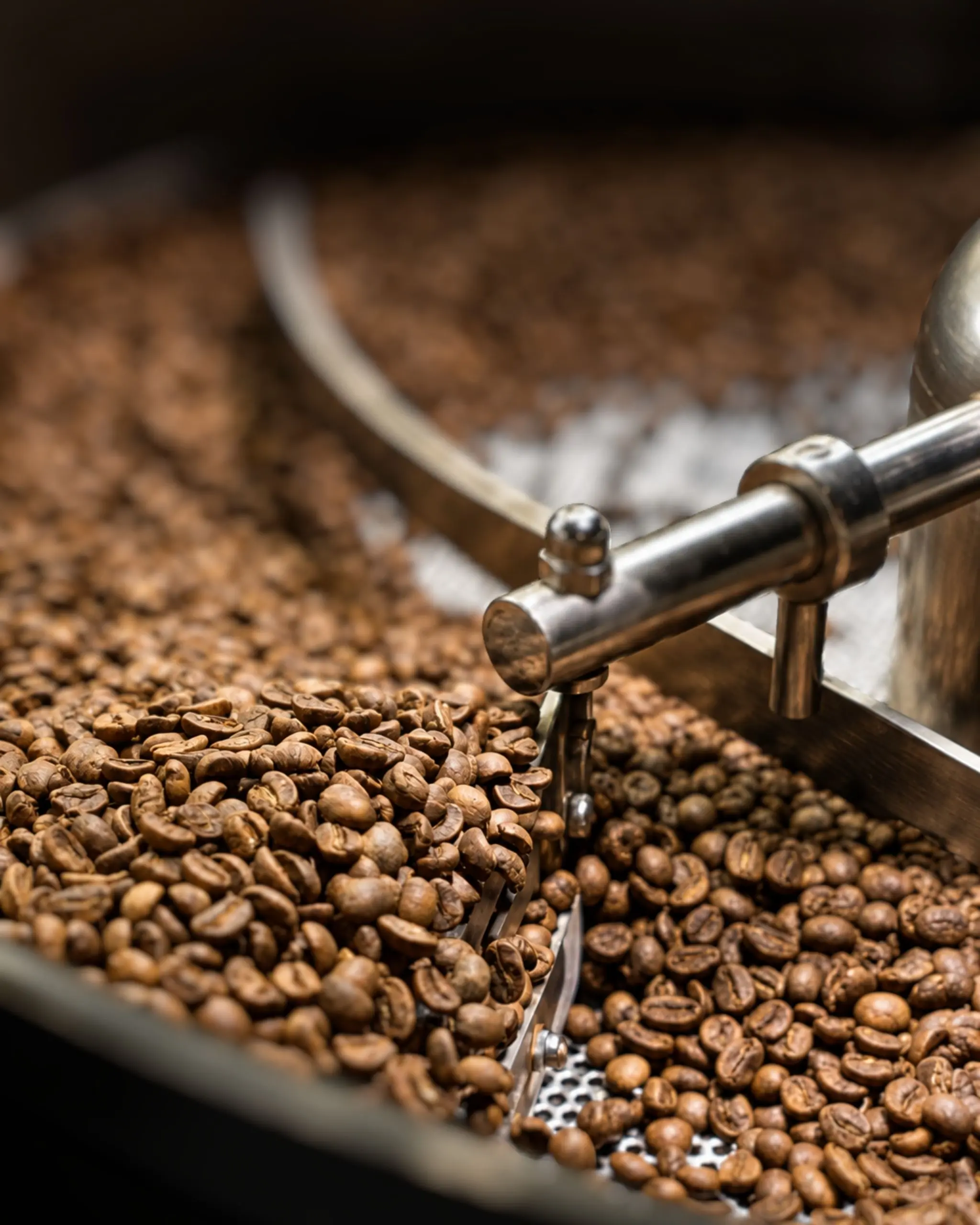
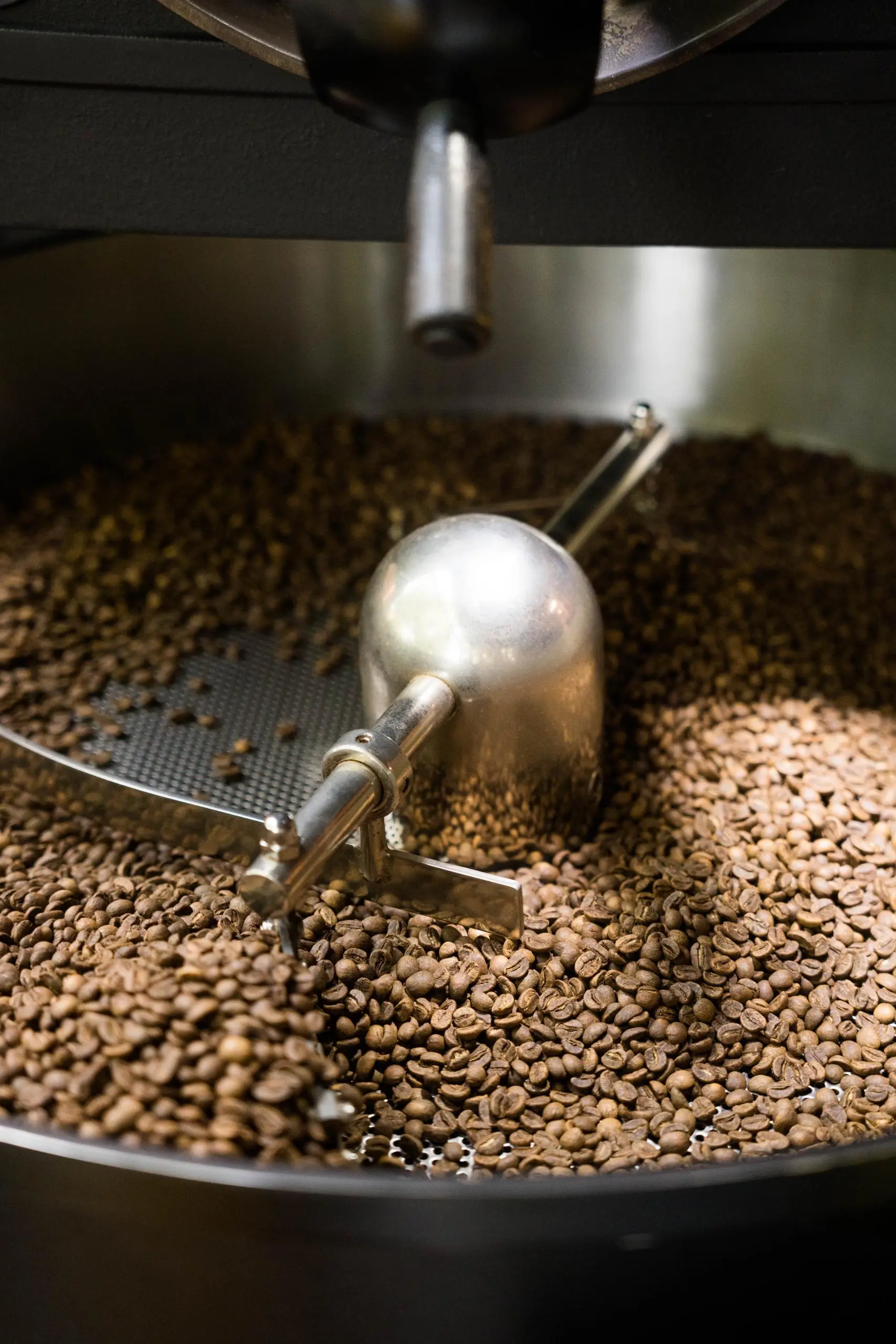
These variables are read as an interconnected system. Operational data is then compared with cupping results to determine which parts of the profile should remain stable and which require further adjustment.
read
Every roast profile begins with the structure of the green coffee. Moisture, density, bean size, processing method, and sensory profile provide the context for how sample roasting should begin.
energy
Energy input, airflow, drum speed, and the progression of Rate of Rise are adjusted according to how each coffee responds throughout the roast.
development
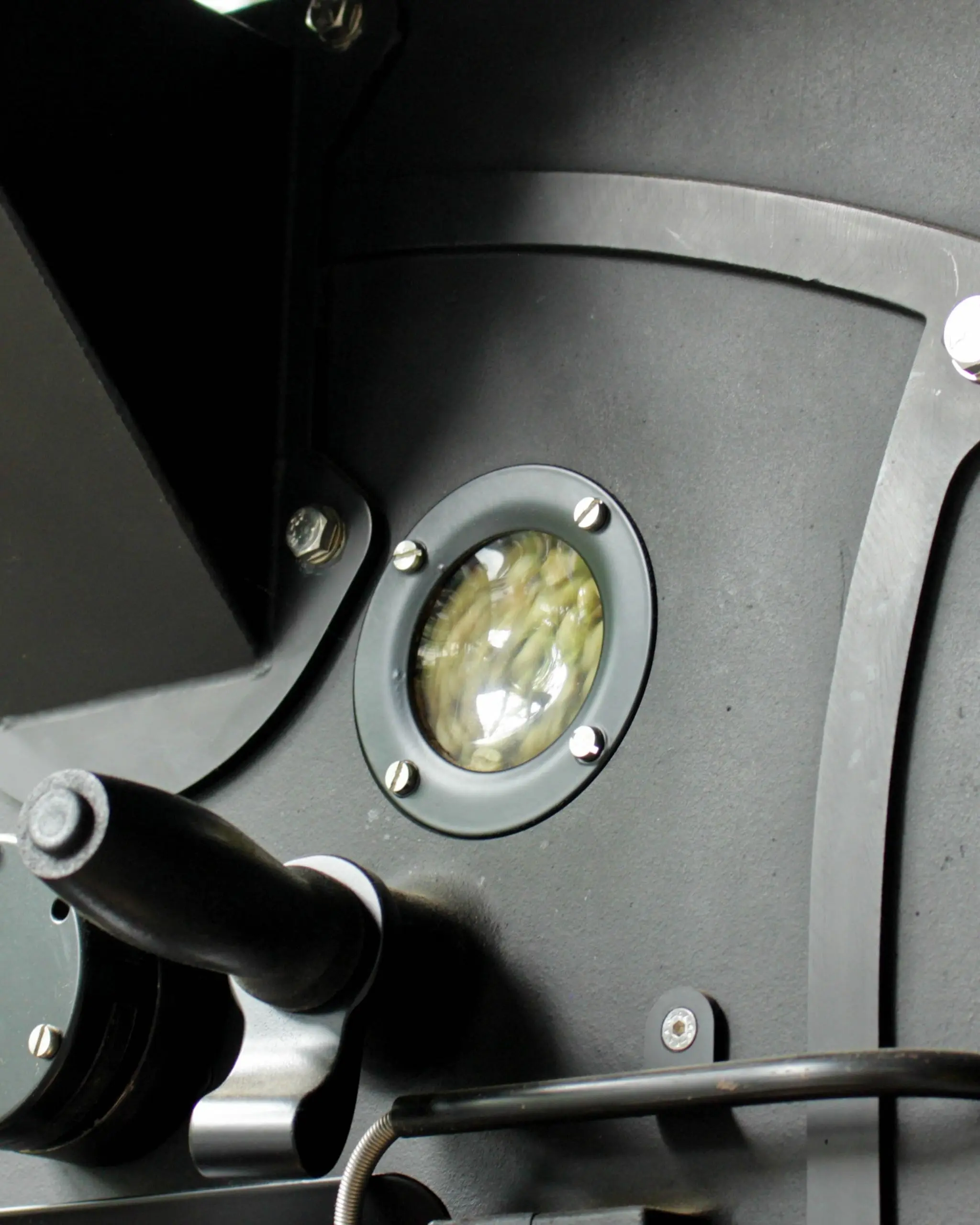
First Crack and the development phase are interpreted in relation to everything that has happened earlier in the roast. The goal is to reach a level of development appropriate to the structure and sensory potential of the coffee.
validation
Cupping creates a feedback loop between what happens inside the roaster and what is expressed in the cup. The cycle of roast – cup – adjust allows each profile to be established before moving into production.


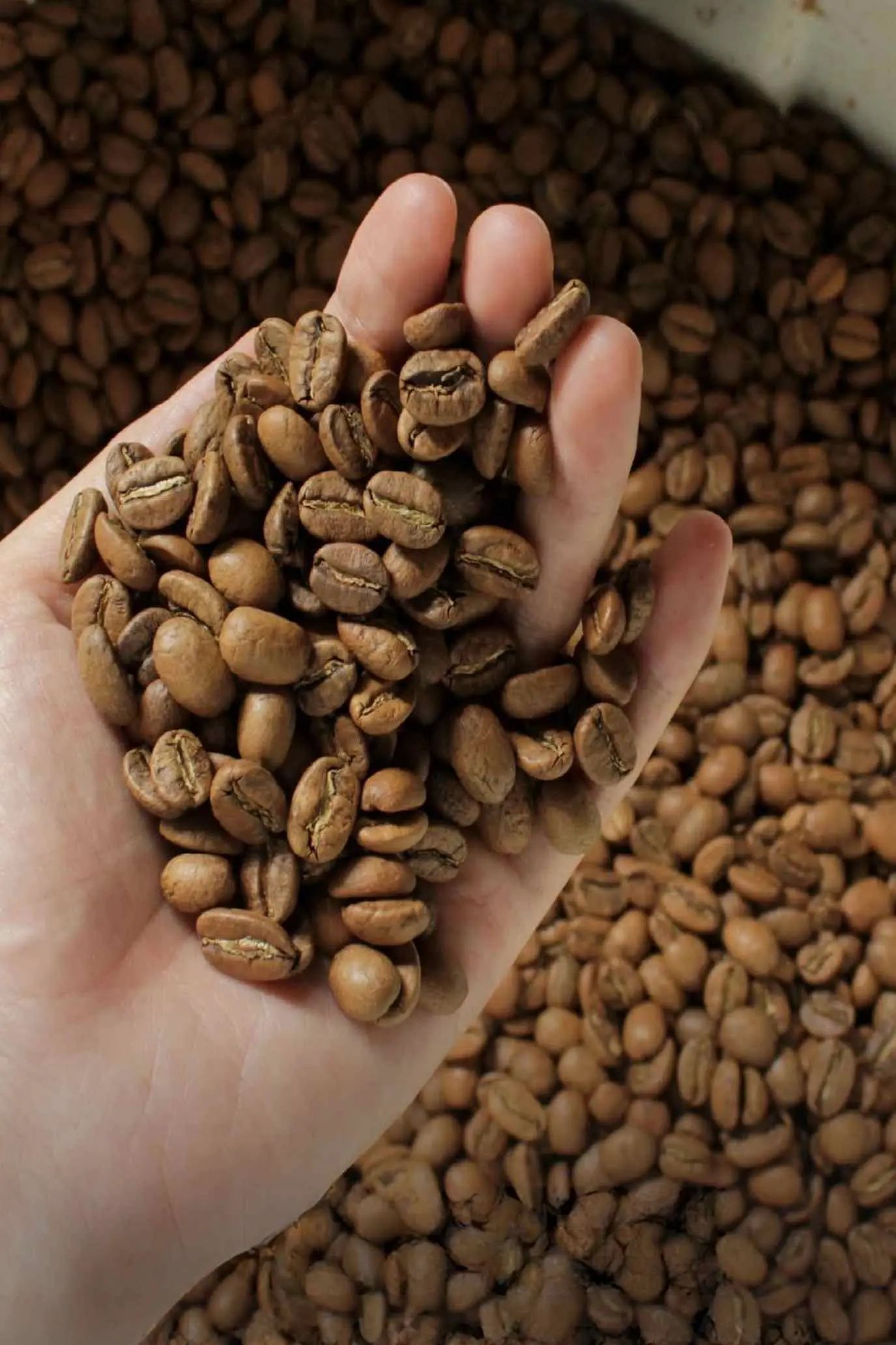
Roasting should reveal the Origin, not overwrite it.
The purpose of roasting at LIX is to make the character of the material more visible and allow distinctions shaped by variety, growing region, crop, and processing method to remain recognizable in the finished coffee.
Once roasting is complete, quality continues to evolve during storage and transportation. Coffee continues to degas while also being exposed to oxygen and external storage conditions.
LIX Roastery uses export-oriented packaging with a one-way valve and Nitrogen Flushing to support degassing, reduce oxygen exposure, and help preserve the coffee throughout storage, logistics, and distribution.
The mono-material packaging structure is also developed with the aim of reducing material complexity and improving compatibility with appropriate recycling streams in markets where suitable collection and recycling infrastructure is available.


This is how the Roastery takes an Origin from green coffee to a commercial product while keeping the characteristics that give it value recognizable along the way.